
What Are the U-Value and R-Value of Low-E Windows?

The Quick Answer Double-pane Low-E windows land in a moderate-to-good range for U-factor. Triple-pane windows, especially with a denser gas fill, push noticeably lower — which is just a technical way of saying “better insulated.” But here’s the catch, and it’s the one thing worth remembering out of this whole article: none of these numbers […]
Does Low-E Glass Block UV Rays?

No. Low-e glass blocks most UV as a side effect of its heat-reflective coating — typically 75% to 95%, depending on coating type — but not all of it. For near-total UV blocking, laminated glass is required. A distributor’s client sees faded flooring or merchandise after a season of sun and assumes the low-e glass […]
Can Indoor Plants Grow Behind Low-E Glass?
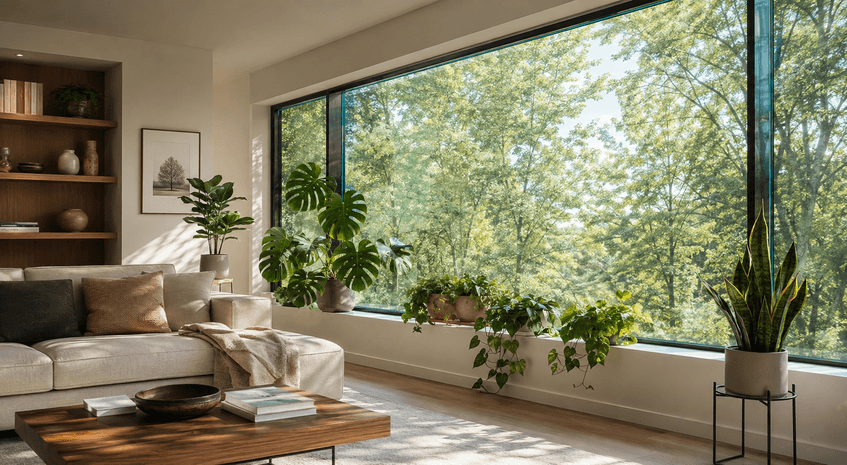
The Short Answer: Yes, Mostly Most common houseplants — pothos, philodendron, snake plant, ZZ, peace lily, most ferns, even many orchids — grow perfectly well behind standard Low-E glass. Low-e coatings are thin metallic layers that filter out infrared heat while letting visible light through, not the 400–700 nm band plants use for photosynthesis. In […]
Single, Double, or Triple Silver Low-E: Is the Upgrade Worth It?
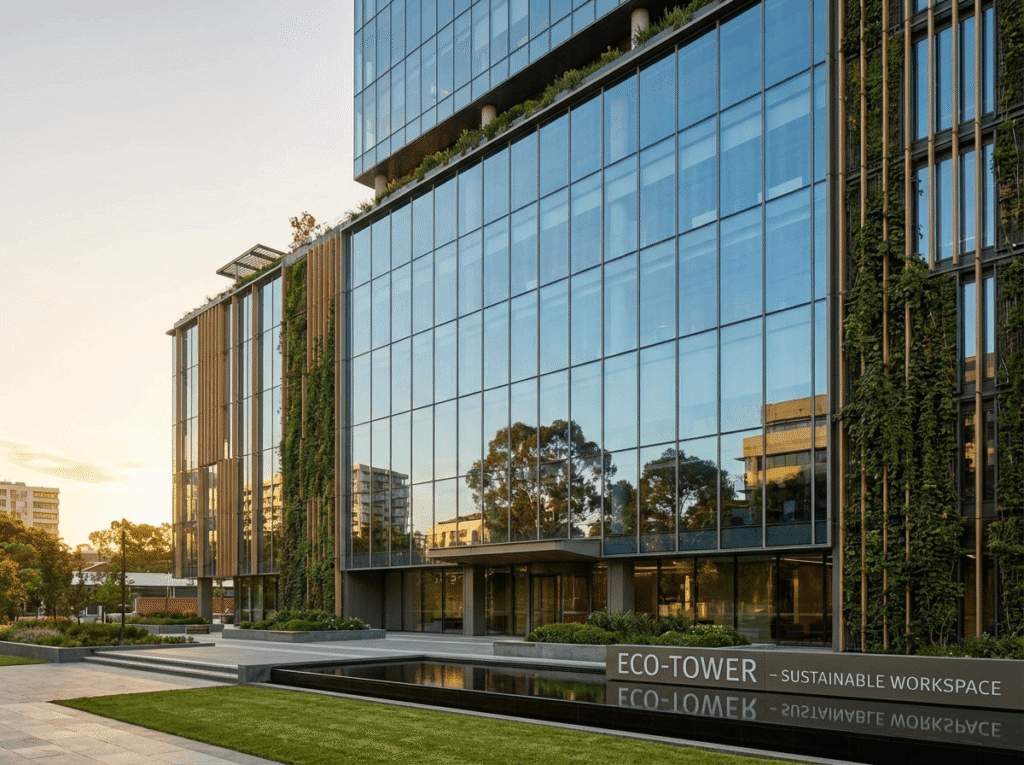
Yes, for hot or mixed climates. No, for cold ones. Single silver Low-E gives you basic insulation at the lowest cost. Double silver is the sweet spot for most projects — roughly 30% better solar control than single, at a modest premium. Triple silver adds another step-change in performance, but it only pays for itself […]
Hard Coat vs. Soft Coat Low-E Glass: Which Is Better for Your Project?

Soft coat Low-E glass is the better choice for energy performance and modern building codes in almost every residential and commercial project. Hard coat Low-E wins only when you need single-pane durability, easier fabrication, or a lower upfront cost. The right answer comes down to your climate, your code requirements, and how the glass will […]
The Ultimate Guide to Low-E Glass: How It Works and What You Need to Know
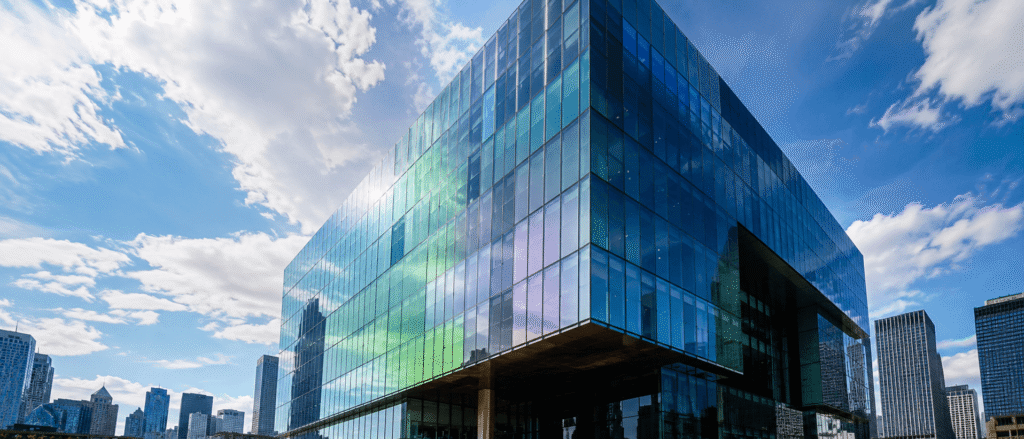
A standard double-pane window lets through about three-quarters of the sun’s heat. We see what that means every winter on the production floor. A building owner pays to heat a room. The glass quietly hands that heat right back outside. Low-e glass exists to stop that handoff. Here’s the simple version. Low-e glass is ordinary […]
Acid Etched vs Sandblasted Glass: Which Is Better for Your Project?
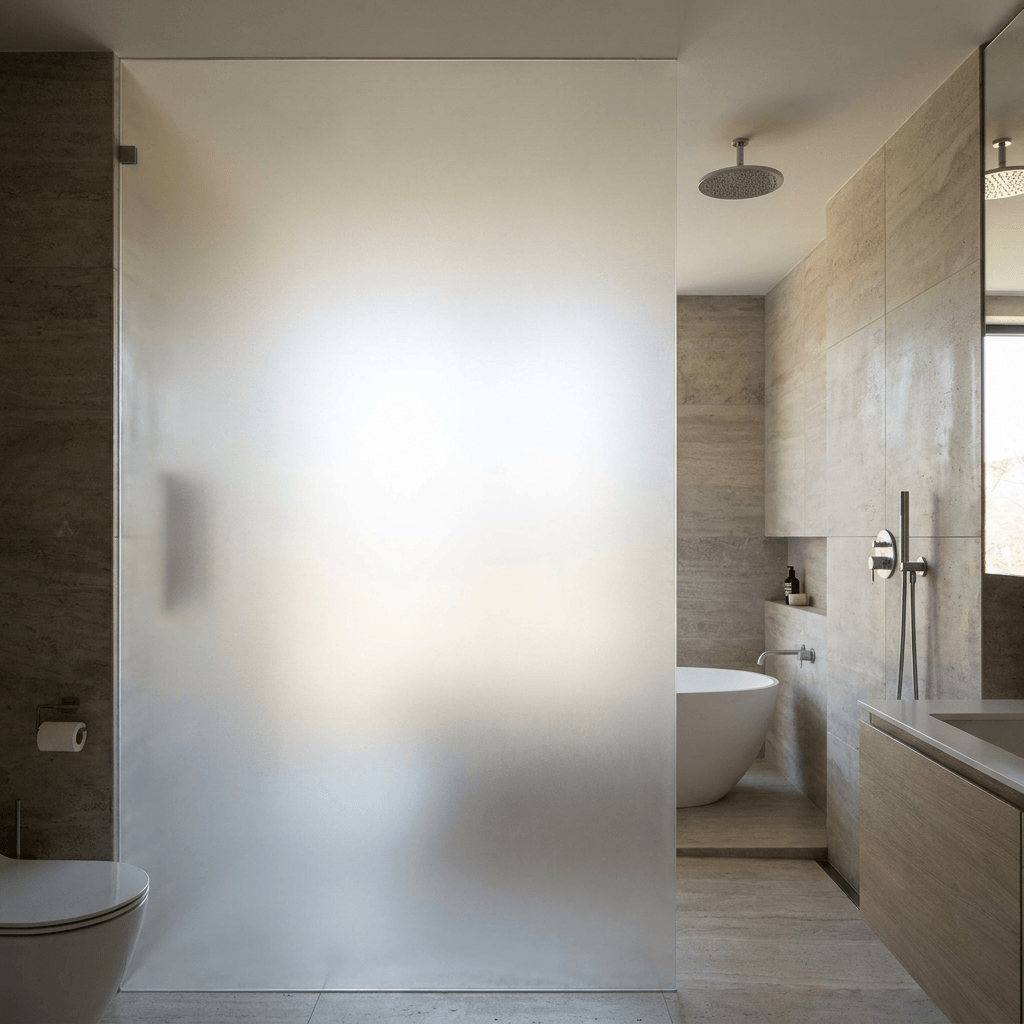
The Quick Answer Acid etched glass is the better choice when you want a uniform, low-maintenance finish that stays consistent over time — bathrooms, offices, façades, partitions. Sandblasted glass is the better choice when you want custom patterns, decorative impact, or a tighter budget — signage, feature walls, branded interiors. Everything below explains why, and […]
Borosilicate Glass 3.3 vs. 4.0: Which Fits Your Project?
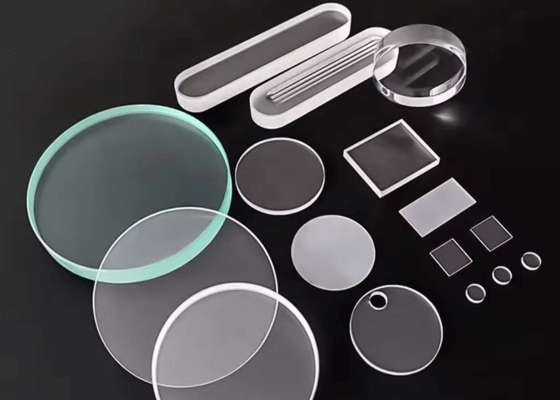
Quick Answer: If your project demands deep resistance to harsh chemicals, sudden temperature changes, and standardized industrial performance, Borosilicate 3.3 is usually your best baseline. On the other hand, if you are looking for fire-rated glass for commercial buildings, you will likely be evaluating “Borosilicate 4.0” products. However, 4.0 products must be judged by their […]
Top 10 Glass Suppliers in China for Your Project (2026)
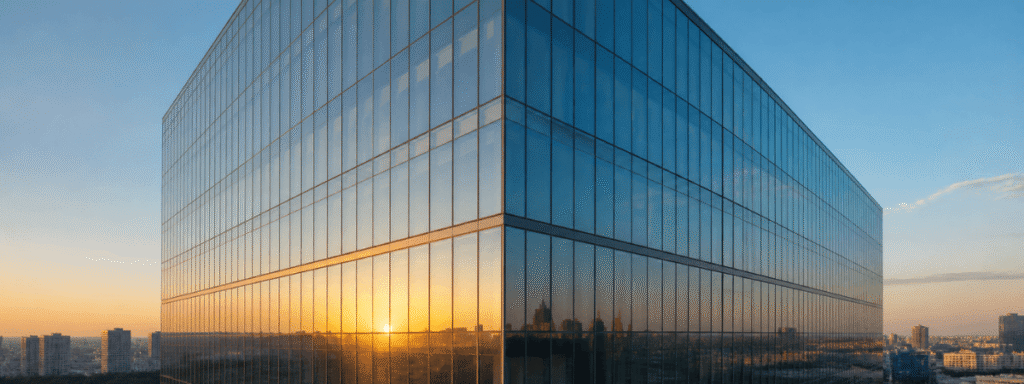
Finding a glass supplier in China isn’t hard—finding the right one for your specific project is. Whether you’re navigating new 2026 US tariffs, preparing for strict European ESG mandates, or just trying to avoid trading companies posing as factories, your choice of supplier can make or break your timeline. We’ve cut through the noise to rank the […]
Architectural Glass 101: The Complete 2026 Guide to Building Glass
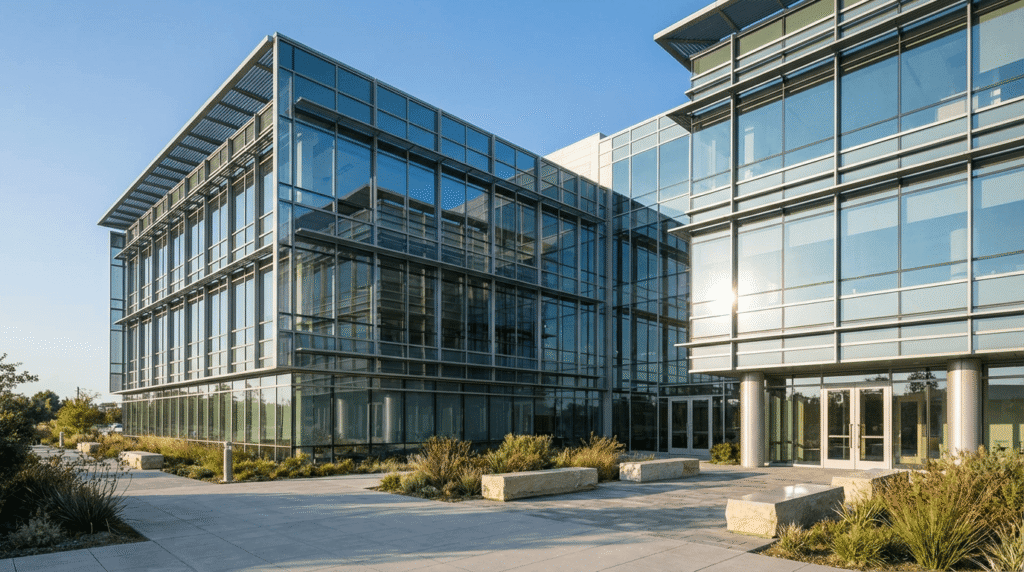
What Is Architectural Glass? Walk into any modern office building. Look up — glass curtain wall. Look down — glass handrails. Open a window — there’s the glass, and its frame. All of it is architectural glass. These are glass materials used in buildings, primarily as transparent envelope structures. But their function goes well beyond […]