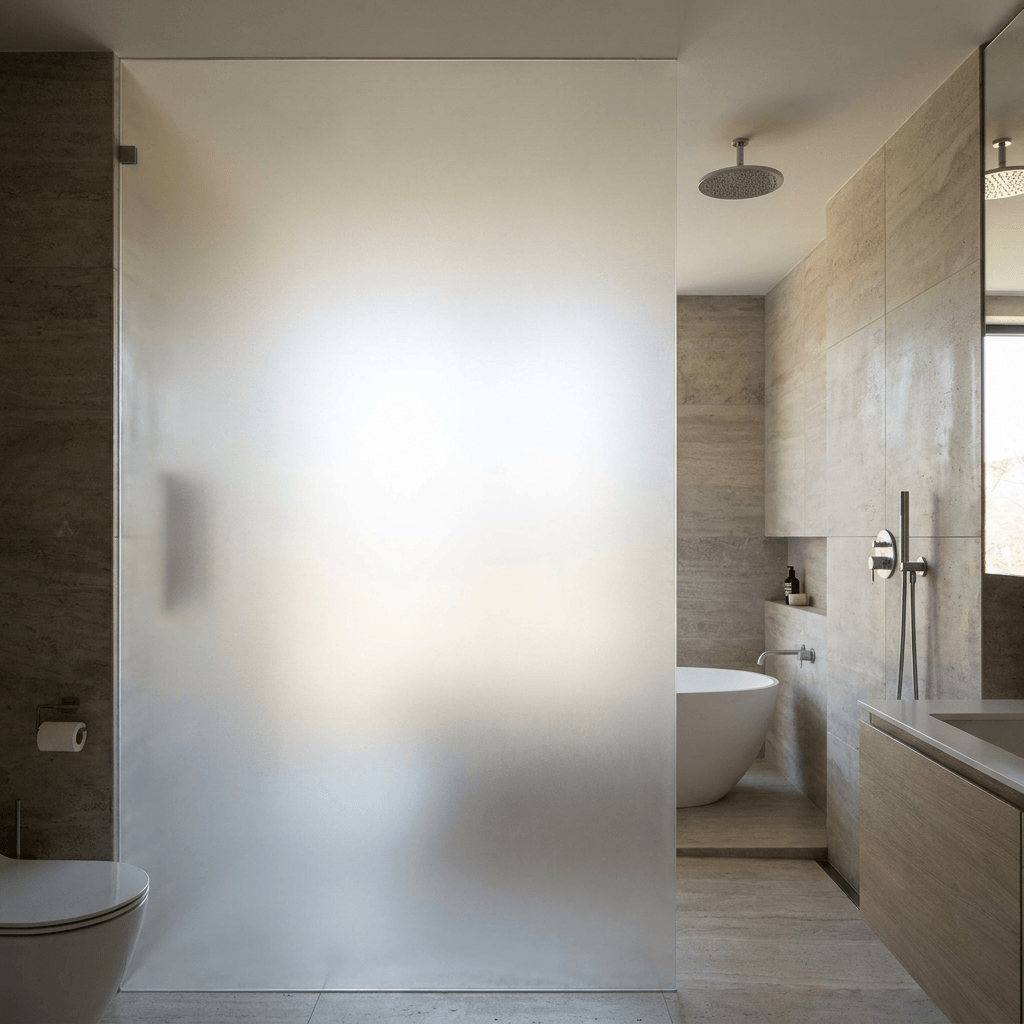
Soft coat Low-E glass is the better choice for energy performance and modern building codes in almost every residential and commercial project. Hard coat Low-E wins only when you need single-pane durability, easier fabrication, or a lower upfront cost.
The right answer comes down to your climate, your code requirements, and how the glass will be assembled — not which coating sounds “newer” or “more premium.”
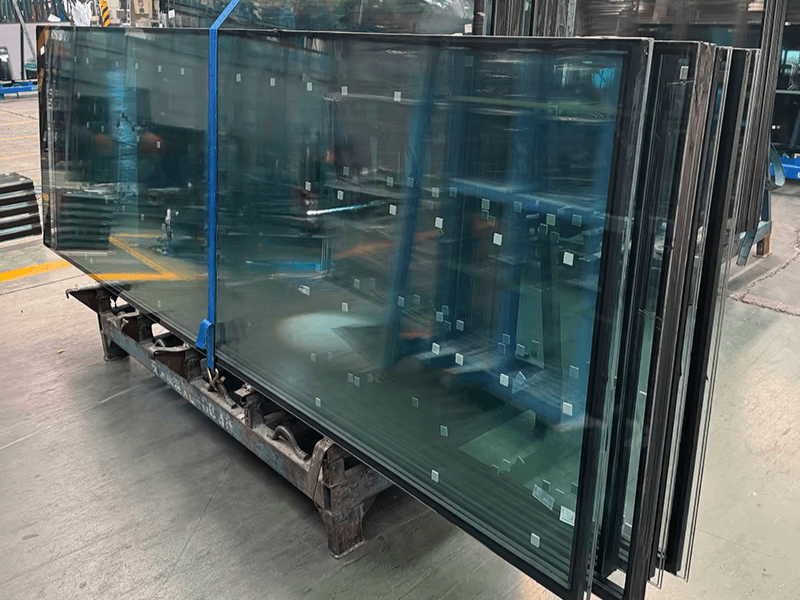
Here’s the full breakdown: how each coating is actually made, what it does to your heating and cooling bills, where it goes inside the window, and which one you should be specifying.
What Is Low-E Glass and Why Coatings Exist
Low-emissivity (Low-E) glass is ordinary float glass with a microscopically thin metallic coating that reflects infrared heat while letting visible light pass through. The coating is roughly 500 times thinner than a human hair, and it’s what changes how the glass handles heat radiation instead of just passing it through.
As the International Association of Certified Home Inspectors notes, this coating is engineered to manage ultraviolet and infrared light while keeping visible light transmission high — it can cut energy loss through glazing by 30–50%.
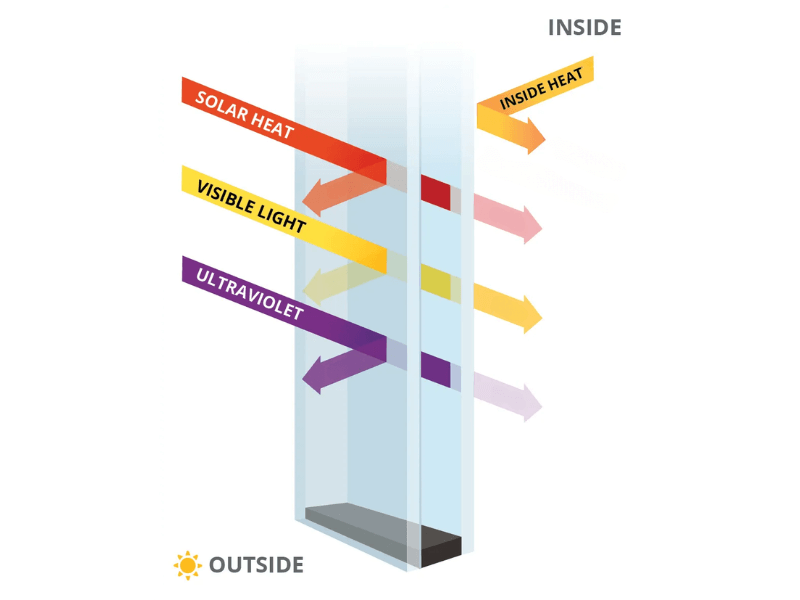
Plain, uncoated clear glass has an emissivity of roughly 0.84 — meaning it absorbs and re-radiates about 84% of the heat that hits it. A high-performance Low-E coating can drop that number to around 0.02, which is why Low-E windows feel noticeably less drafty in winter and keep rooms cooler in summer.
There are two ways to apply that coating, and the method used is exactly what makes a glass “hard coat” or “soft coat.” Everything about how each one performs — and where it can and can’t be used — traces back to that manufacturing difference.
Hard Coat (Pyrolytic) Low-E Glass: How It’s Made
The manufacturing process
Hard coat — also called pyrolytic or on-line Low-E — is applied during float glass production, while the glass is still hot. A chemical vapor, typically a tin oxide compound, is sprayed onto the upper surface of the cooling glass ribbon.
The heat fuses the coating directly into the glass surface, creating a genuine chemical bond rather than a surface layer sitting on top of it. We’ve been working with pyrolytic-coated glass on the production floor for years, and this is the original Low-E technology — it’s been in commercial use since the early 1970s.
Coating structure and why it looks the way it does
Because the coating is burned into the glass rather than deposited afterward, it ends up thick, hard, and durable. Most pyrolytic coatings are metal-oxide based, with tin oxide the most common choice, and the layer is far thicker than anything you’d get from a sputtered process.
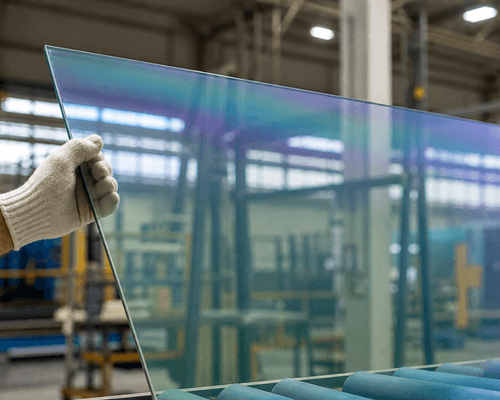
That extra thickness is also why hard coat can look slightly hazy in reflected light, especially when viewed at an angle.
What that means for performance
Hard coat typically runs 0.15–0.20 emissivity, compared to 0.84 for clear glass. Its solar heat gain coefficient (SHGC) — the fraction of solar radiation that passes through the glass as heat, where a lower number means less heat gets in — sits higher than soft coat, usually 0.60–0.70 for a single lite.
Its U-value (a measure of how much heat flows through the glass; lower numbers mean better insulation) is also higher than soft coat’s, meaning it insulates less effectively. Visible light transmission is generally good, though with that slight haze mentioned above.
In practice, this makes hard coat a passive-solar coating by default. It lets more of the sun’s warmth into the building during the day — useful in some climates, a liability in others, which we’ll get to in the climate section below.
Where hard coat earns its place
Hard coat can be used as monolithic single-pane glass or built into an insulated glass unit (IGU — a sealed, multi-pane window assembly, usually two or three panes of glass separated by an air or gas-filled gap).
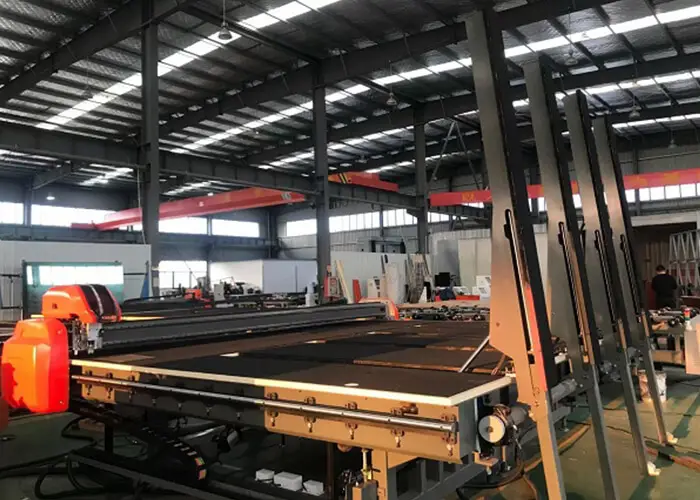
That flexibility is its biggest advantage: it survives handling, cutting, tempering, and long exposure to humid shop air without degrading, which makes it cheaper to work with and easier to fabricate for custom jobs on short notice. It’s also cheap to stock, since it has no oxidation risk sitting on a shelf.
Where it falls short
The tradeoff is energy performance. Hard coat’s higher U-value means it’s not as good at stopping heat loss in cold climates, and its higher SHGC means it’s not as good at blocking summer heat gain. It also has a slightly hazier optical appearance than soft coat and a more limited range of color and performance options.
In practice, we rarely see a hard coat IGU meet the 2024 IECC’s U-factor requirements on its own in colder climate zones — soft coat is what closes that gap, which is why it dominates modern spec sheets.
Soft Coat (Sputtered / MSVD) Low-E Glass: How It’s Made
The manufacturing process
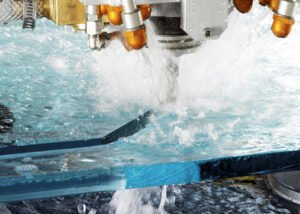
Soft coat — also called sputtered, MSVD (Magnetron Sputter Vacuum Deposition), or off-line Low-E — is applied after the glass has already been cut to size. Cooled glass panels enter a vacuum chamber, where metal targets (most often silver) are bombarded with ions.
The ejected silver atoms deposit onto the glass surface in multiple ultra-thin layers, usually alternating with anti-reflective metal-oxide layers. Soft coats are vacuum-sputtered and achieve higher performance than hard coats, though they’re more easily oxidized and damaged, which is why they need to be protected inside a sealed unit.

The technology became commercially viable in the 1980s and is now the dominant Low-E process for high-performance windows.
Single, double, and triple silver
Soft coat Low-E is built in layers, and the number of silver layers is what controls performance.
A single-silver coating gives you good visible light transmission (VLT — the percentage of visible light that passes through the glass) with moderate solar control, and it’s the most common residential option. Double-silver steps up solar control at a slight cost to VLT, and you’ll see it most often in mid-tier commercial work.
Triple-silver is the premium tier — very high VLT paired with very low SHGC — and it’s the standard choice for commercial curtain walls and high-end homes. It’s also the category that has grown the fastest since triple-silver stacks first reached the market in the mid-2000s, as manufacturers found ways to push VLT and SHGC further apart without sacrificing clarity.
What that means for performance
Soft coat runs 0.02–0.10 emissivity — a meaningful jump over hard coat’s 0.15–0.20. SHGC is tunable from roughly 0.25 to 0.50 depending on silver count, and U-value comes in significantly lower than hard coat for the same construction.
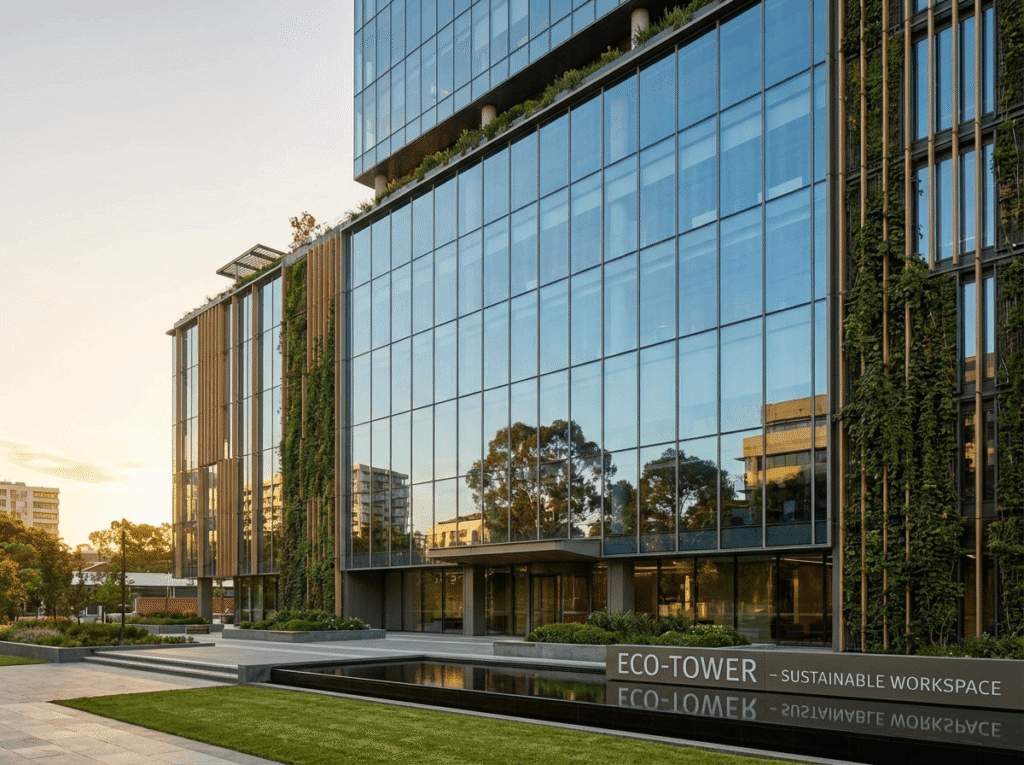
Because the layers are so much thinner than a pyrolytic coating, visible light transmission is also excellent — clearer and more neutral-looking than hard coat.
Where soft coat wins
Soft coat delivers the best U-factor and solar control you can get for a given IGU construction, and it’s what actually meets 2024 IECC and ASHRAE 90.1 prescriptive U-factors in most climate zones.
It also comes in more SKUs than hard coat — solar-control variants for hot climates, high-gain variants for cold ones — so you can tune the spec to the project instead of settling for one-size-fits-all performance.
Where it needs careful handling
The catch is fragility. Soft coat must be sealed inside an IGU or laminated glass lite before it’s exposed to open air, and it’s sensitive to humidity, oils, salts, and mechanical abrasion.
Shelf life typically runs 3–6 months between coating and assembly before the silver begins to oxidize, which means you can’t just stockpile it the way you can hard coat — a limitation we build into our own production scheduling. It’s also more expensive, and in most cases it can’t be tempered after coating — so tempering has to happen before the sputtering step, not after.
Hard Coat vs. Soft Coat: Side-by-Side Spec Comparison
This is the only table in this article — everything else is written out in plain prose so you don’t have to keep scrolling back and forth to compare it.
| Property | Hard Coat (Pyrolytic) | Soft Coat (Sputtered) |
| Also called | Pyrolytic, on-line | Sputtered, MSVD, off-line |
| When applied | On the float line, glass hot | Off-line, glass cold, in vacuum |
| Typical coating | Tin oxide | Silver + metal-oxide stack (1–3 silver layers) |
| Coating thickness | Thick, hard | Ultra-thin, multiple layers |
| Emissivity | ~0.15–0.20 | ~0.02–0.10 |
| SHGC (single lite) | 0.60–0.70 | 0.25–0.50 (tunable) |
| U-value (typical IGU) | ~0.40–0.50 | ~0.24–0.30 with argon |
| Visible light transmission | High, but slightly hazy | High and clear |
| UV blockage | Moderate | Up to 95% (triple silver) |
| Durability | Excellent — survives open-air exposure | Fragile — must be sealed into an IGU quickly |
To put real numbers on that table: a typical NFRC-rated triple-silver soft coat on clear glass lands around SHGC 0.27, VLT 64–65%, and a U-value of 0.24 with argon fill, while blocking roughly 95% of UV — figures that are consistent across the leading triple-silver products on the market today.
That combination puts the light-to-solar-gain (LSG) ratio — the ratio of visible light let in to solar heat let in — around 2.4, well above the 1.25 threshold that defines “spectrally selective” glazing.
Where Each Coating Goes in an IGU (Surface #2 vs. #3)
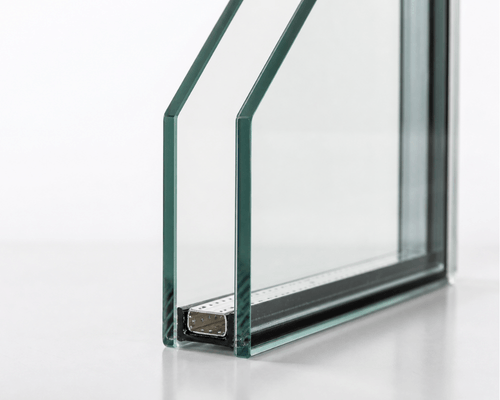
A double-pane IGU has four numbered surfaces: Surface #1 faces outside, and Surface #4 faces the room. The coating almost always goes on Surface #2 (the interior face of the outer lite) or Surface #3 (the interior face of the inner lite), and which one you pick has a real effect on how the glass performs.
Surface #2: solar control in warm climates
Surface #2 is the right spot for solar-control (low-SHGC) soft coat in warm climates. The coating sees the sun first, so it reflects the most heat before it ever gets deep into the assembly.
Surface #3: passive solar in cold climates
Surface #3 is the right call for passive-solar, high-gain coatings in cold climates — you want winter sun to pass through the outer lite, hit the coating, and bounce back into the room as long-wave radiant heat instead of escaping.
Surface #4: added protection on the room side
Surface #4 is where you’d put toughened or hard coat glass if you need additional UV blocking on the room-facing side.
Putting a soft coat on Surface #1 or #4 will effectively kill it, since the coating isn’t designed to face open weather. Industry references on insulating glass confirm this is a common point of confusion on projects that mix coating types across multiple lites — get the surface number wrong and the coating you paid for isn’t doing the job you specced it for.
Choosing Low-E by Climate Type
Hexad ships to buyers across 40+ countries, and the honest answer is that “which Low-E” depends far more on climate than on which country you’re in. The five climate categories below cover most of the world’s building markets, so find the one that matches your project rather than a specific code zone.

Hot and humid climates
Southeast Asia, the Gulf Coast and Southern U.S., coastal West Africa, Northern Australia, and similar tropical or subtropical regions all deal with year-round high heat plus high humidity. Specify a solar-control soft coat with a low SHGC, ideally 0.25 or under, on Surface #2. Hard coat will overheat the building and overload the air conditioning, and in these climates cooling load — not heating — is almost always the dominant cost.
Hot and dry climates
The Middle East, North Africa, Central Australia, and the desert Southwest of the U.S. and Mexico share intense direct solar radiation with much lower humidity. The SHGC target is similar to hot-humid climates — 0.25 or under on Surface #2 — but glare control and high visible light transmission matter more here, since these projects often have large unshaded glazing facing intense sun for most of the day.
Temperate and mixed climates
Mediterranean Europe, coastal East Asia, much of China’s central and eastern provinces, and the Mid-Atlantic and Southeastern U.S. all see a real mix of heating and cooling seasons. A double-silver soft coat with SHGC around 0.30–0.40 gives the best year-round balance, and this is the most common specification globally for standard residential and light commercial work.
Cold and continental climates
Northern and Central Europe, Northern China, much of Canada, and the northern U.S. see long, genuinely cold winters where heat retention matters more than blocking solar gain. Step up to a double- or triple-silver soft coat with SHGC around 0.40 on Surface #3, so winter sun is welcomed in rather than reflected away. A quality triple-silver product paired with argon fill will comfortably clear most modern cold-climate energy codes on U-factor.
Severe cold and subarctic climates
Scandinavia, Siberia, far northern Canada and Alaska, and similar subarctic regions push furthest on insulation. Specify triple-silver soft coat on Surface #3, paired with argon fill and a warm-edge spacer, and expect many projects here to add a fourth-surface Low-E on the inner lite to push the U-factor down further. Triple glazing with two coated surfaces is common practice in these markets rather than the exception.
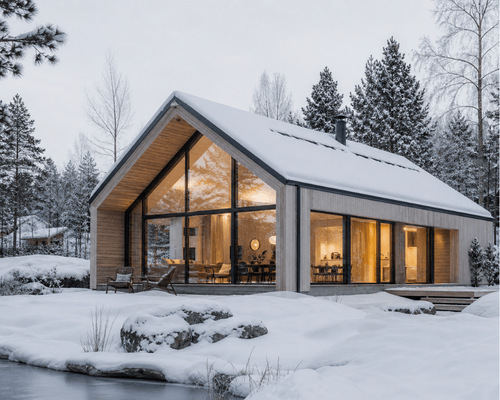
Across all five categories, hard coat is the right call only in a narrow set of cases: storm windows, single-pane replacements in mild climates, and budget-driven jobs where the local energy code minimum is already low.
Why Codes Keep Pushing Toward Soft Coat
Energy codes are getting stricter in most major glass markets, not just the U.S. — regulators from North America to the EU to China have been tightening minimum insulation and solar control requirements over the past decade, and Low-E performance is usually the easiest lever for meeting them without redesigning the whole building envelope.
The U.S. is a useful concrete example of that trend: the current 2024 IECC tightened prescriptive U-factor requirements considerably from the 2021 edition, and a hard coat IGU rarely meets those numbers on its own in colder zones — soft coat, especially double- or triple-silver with argon fill, is what closes the gap.
Whatever the local code or certification label your market requires, the same physics applies: soft coat gives you more room to hit tightening targets, and hard coat’s role narrows accordingly.
How Long Does Low-E Glass Actually Last?
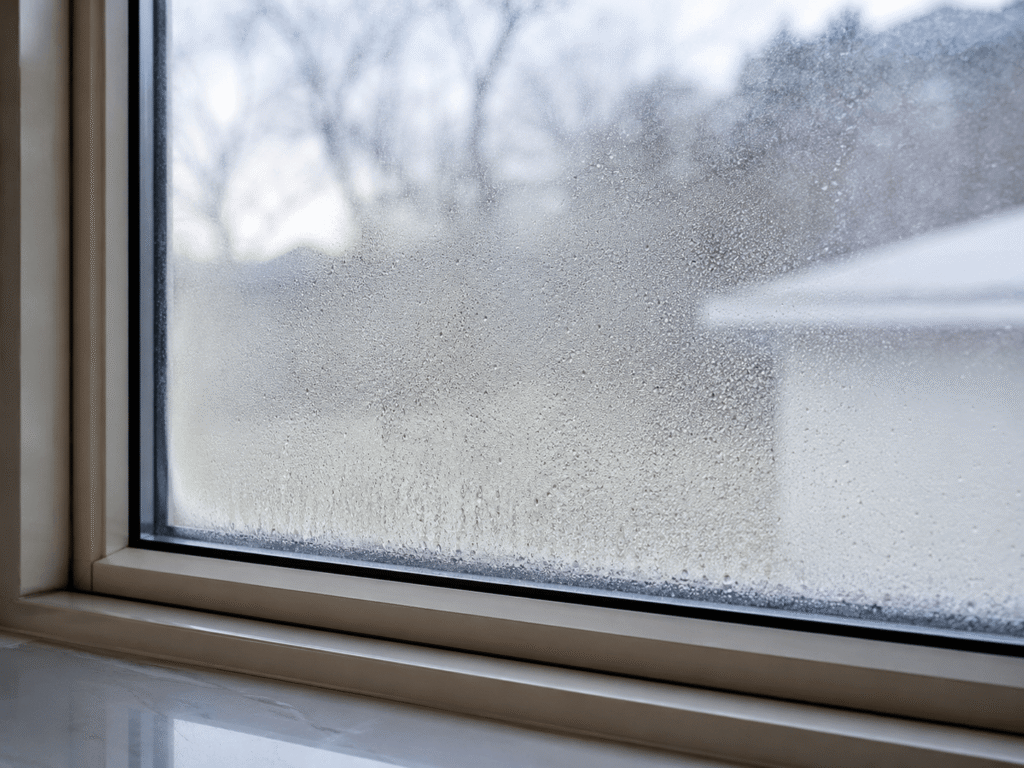
This is the part that doesn’t get enough attention in most comparisons we’ve seen: shelf life and oxidation risk are a real, practical difference between these two coatings — not just a spec-sheet footnote.
Hard coat: essentially inert
Cut it, store it, leave it sitting in humid shop air for months — it won’t degrade.
Soft coat’s oxidation clock
Soft coat is a different story. It typically has a shelf life of 3–6 months between coating and IGU assembly, because the silver layers oxidize on contact with humid air, sulfur compounds, salts, or even skin oils.
A 2023 review in Science and Engineering of Composite Materials found that environmental degradation of soft Low-E coatings is driven primarily by moisture, salt exposure, and sulfur-containing pollutants — which is exactly why sealing the coating inside an IGU isn’t optional, it’s the whole point.
What actually fails in the field
On the production floor, the field failure modes we see most often are hazy or milky edges from silver migration into the desiccant or sealant, purple or brown staining from sulfide attack, and peeling or scratching near the perimeter from handling damage before assembly.
Performance loss after 5–10 years is almost always traceable to a broken IGU seal letting humid air reach the coating — not the coating itself wearing out. Once it’s properly sealed, a Low-E coating lasts the life of the IGU, typically 15–25 years.
Common Mistakes When Design Your Low-E

A few mistakes show up again and again on orders that come across our desk, so it’s worth checking your spec against this list before you finalize anything:
- Specifying soft coat on a single-pane replacement. The coating will oxidize with nothing sealing it in — use hard coat, or build it into an IGU instead.
- Forgetting the surface number. “Low-E on #2” and “Low-E on #3” do completely different jobs in the same climate, even on an otherwise identical spec.
- Letting soft coat sit in the shop too long. Track the coating date and don’t let it stockpile past a few months.
- Mixing hard coat and soft coat in the same IGU. It’s possible, but the U-value math changes, so re-run the NFRC rating rather than assuming the numbers still hold.
- Trusting the SHGC number on a spec sheet without checking the lite combination. An SHGC of 0.27 on a triple-silver coating paired with clear glass isn’t the same as that same coating paired with tinted glass.
- Forgetting argon fill. A soft coat IGU without argon loses a meaningful chunk of its U-factor advantage.
FAQ: Hard Coat vs. Soft Coat Low-E
Can I use soft coat Low-E in single-pane windows?
No. The coating will oxidize without protection. Soft coat needs to be sealed inside an IGU or laminated lite quickly after production.
Why does some Low-E glass look green?
That’s the metal-oxide coating reflecting a small amount of green light. It’s more visible on hard coat, and on triple-pane IGUs where more coated surfaces are stacked together.
What’s the best Low-E for hot climates?
A solar-control soft coat with a low SHGC on Surface #2, ideally triple-silver, paired with argon fill.
What’s the best Low-E for cold climates?
A high-gain soft coat with SHGC around 0.40–0.50 on Surface #3, with argon fill and a warm-edge spacer. Triple-silver is ideal in Zones 6–8.
Is Low-E glass worth the extra cost?
Generally, yes. The Department of Energy estimates Low-E windows save 12–33% on heating and cooling costs compared to clear glass, which typically pays back the upgrade in 5–10 years.
Can plants grow behind Low-E glass?
Yes. Low-E blocks UV and some visible light, but most plants still get enough photosynthetically active radiation through it. Low-light plants like pothos or snake plant do fine; high-light plants may need supplemental lighting.
The Bottom Line
For most new construction and replacement projects in the U.S., soft coat Low-E is the right call — it meets modern energy codes, delivers better U-factor and SHGC, and gives you more room to tune the spec to your climate.
Reach for hard coat instead when you’re building single-pane or storm-window construction, when the glass will sit unglazed for months before assembly, when budget is the dominant constraint in a mild climate, or when you need post-coating tempering or on-site fabrication.
Outside of those cases, soft coat has been the better bet since the 1980s, and the 2024 code cycle only widened that gap.