
Top 10 Glass Suppliers in China for Your Project (2026)
Finding a glass supplier in China isn’t hard—finding the right one for your specific project is. Whether you’re navigating new 2026 US

Finding a glass supplier in China isn’t hard—finding the right one for your specific project is. Whether you’re navigating new 2026 US

What Is Architectural Glass? Walk into any modern office building. Look up — glass curtain wall. Look down — glass
At a Glance: Why This Matters to Your P&L Introduction: The Gap Between the Drawing and the Door In the
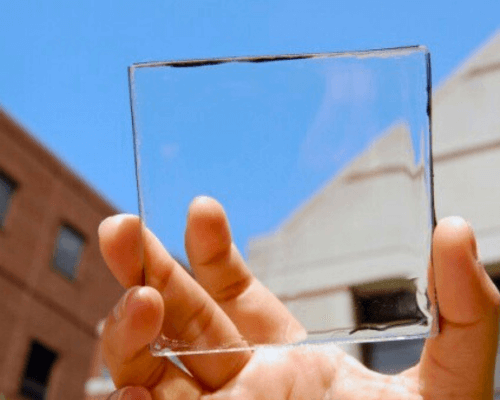
The fundamental difference lies in how they handle light. Anti-Glare (AG) glass uses a matte texture (etching) to scatter light,

Vacuum Insulated Glass (VIG) is a superior alternative to triple glazing, utilizing vacuum technology similar to a thermos to block
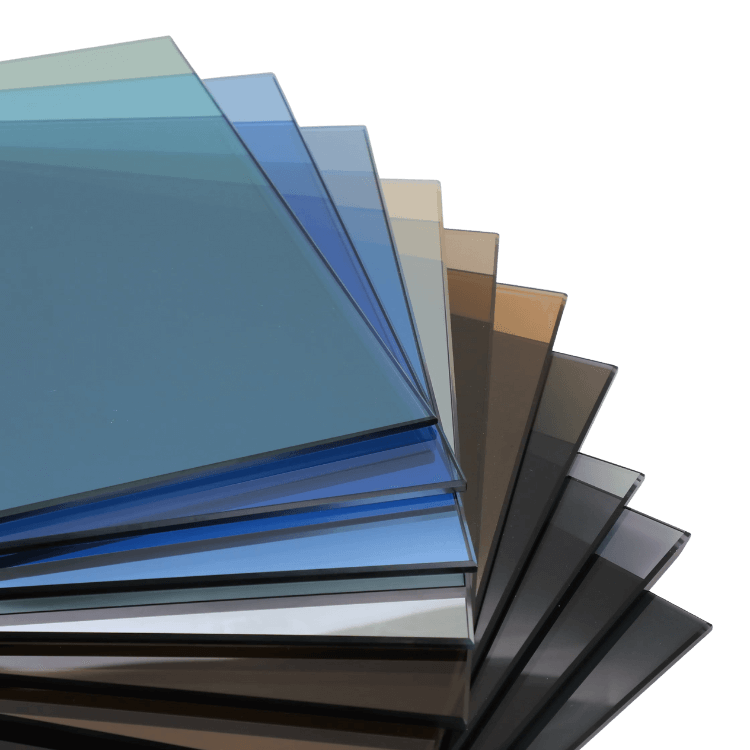
If you need to make a quick decision, here is the industry rule of thumb: Pro Tip: For maximum performance,
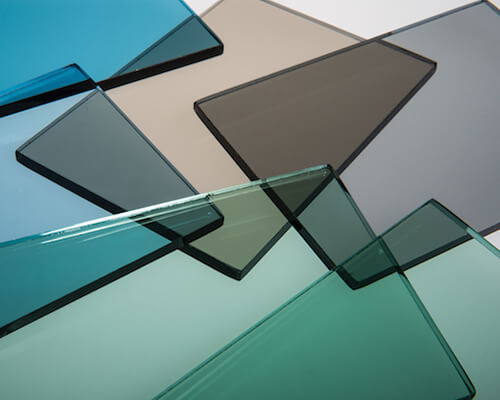
Tinted glass is float glass manufactured with metal oxides (like iron, cobalt, or selenium) added directly to the molten mix.
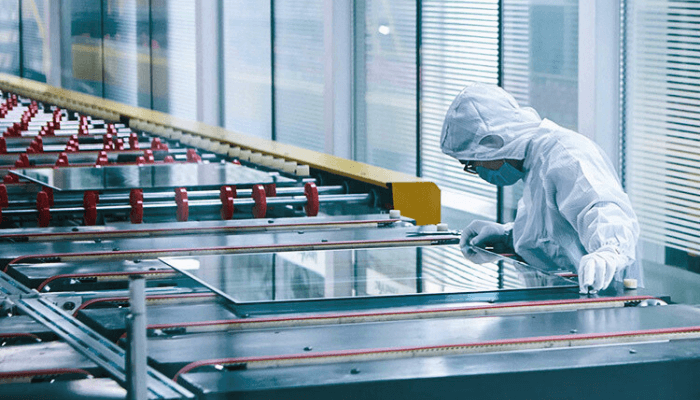
Vacuum Insulated Glass (VIG) is a next-generation glazing solution that delivers ultra-low U-values (< 0.5 W/m²·K), high visible light transmission,
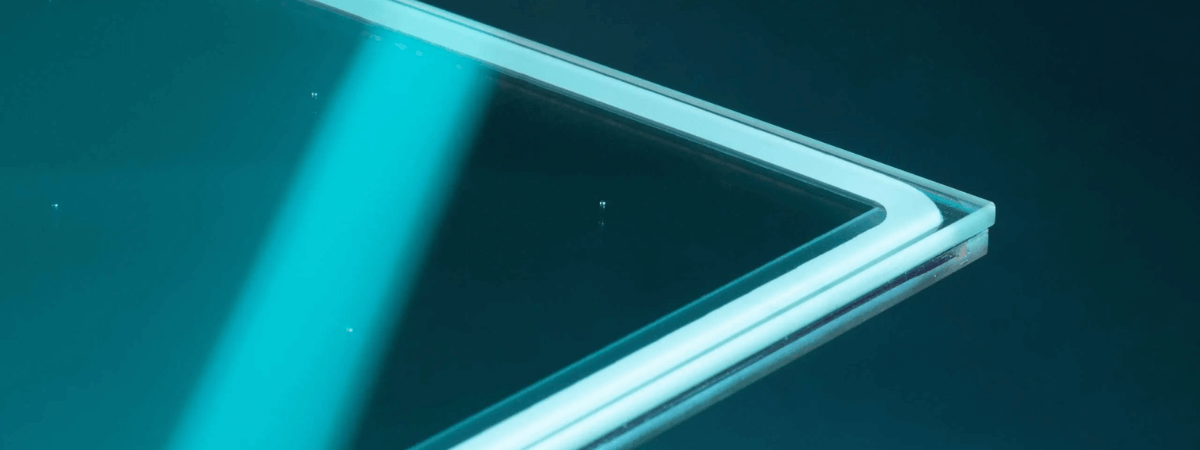
Vacuum glass is a high-performance insulated glass made of two panes sealed around a vacuum. It provides top-tier thermal and
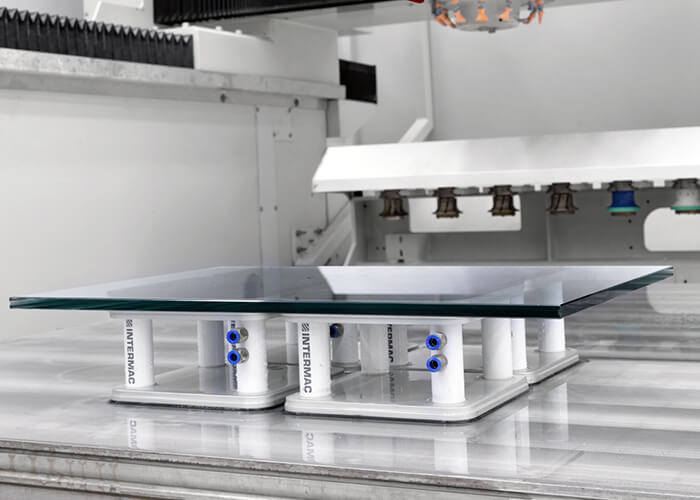
Laminated glass offers superior safety, soundproofing, and UV protection, while tempered glass excels in impact strength, thermal resistance, and affordability.