
Beyond Triple Glazing: 5 Reasons Vacuum Glass (VIG) is the Future of Architecture

Vacuum Insulated Glass (VIG) is a superior alternative to triple glazing, utilizing vacuum technology similar to a thermos to block heat transfer. By replacing gas-filled cavities with a vacuum, VIG delivers: The Problem with Modern Windows Here’s a problem architects have been wrestling with for the past decade: everyone wants floor-to-ceiling glass, but energy codes […]
Grey, Blue, or Green? Choose the Right Glass Tint for Your Project
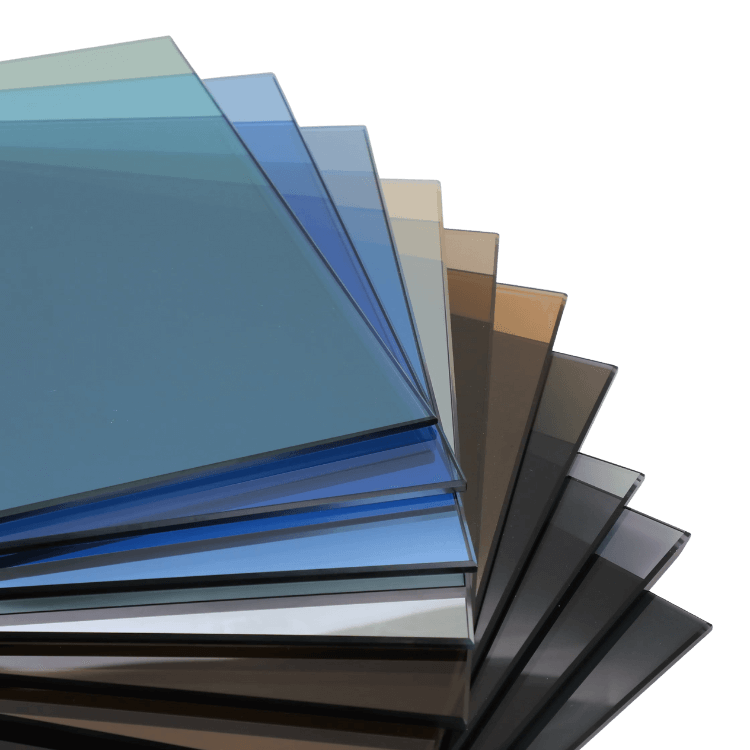
If you need to make a quick decision, here is the industry rule of thumb: Pro Tip: For maximum performance, sourcing managers should always pair these body tints with a Low-E coating on surface #2. Introduction In commercial architecture, glass is never just about the view—it is the primary barrier between your controlled interior environment […]
What Is Tinted Glass? A Complete Buyer’s Guide to Types and Applications
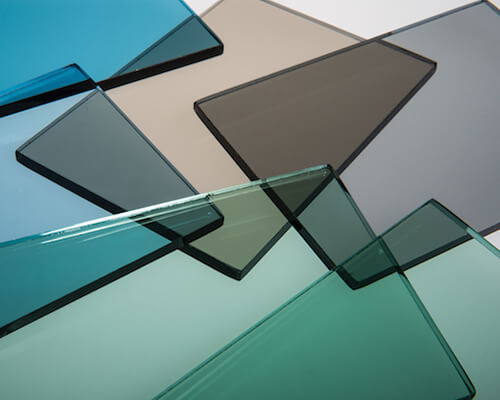
Tinted glass is float glass manufactured with metal oxides (like iron, cobalt, or selenium) added directly to the molten mix. This creates a permanent color that absorbs solar heat and reduces glare, unlike peelable window films. It is a cost-effective, durable solution for improving energy efficiency and privacy in buildings and vehicles. Introduction Standard clear […]
Vacuum Insulated Glass (VIG): The Ultimate Buyer’s Guide for Projects in 2025
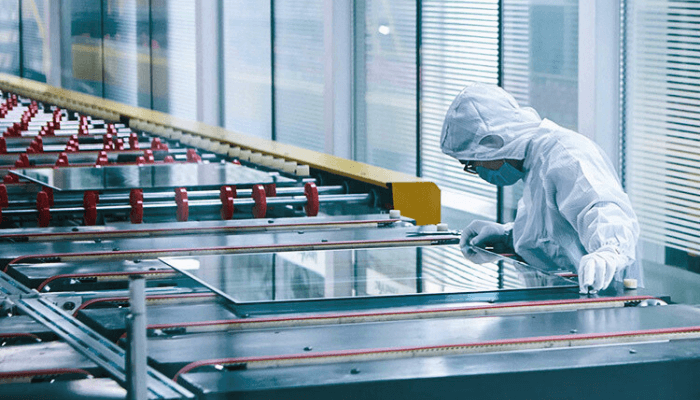
Vacuum Insulated Glass (VIG) is a next-generation glazing solution that delivers ultra-low U-values (< 0.5 W/m²·K), high visible light transmission, and superior sound insulation — all within a profile as thin as single-pane glass. It helps architects and developers meet Passive House or Net-Zero standards without sacrificing aesthetics or buildability. Why Choose VIG Now? Vacuum […]
What Is Vacuum Glass? A Better Alternative to Double & Triple Glazing

Vacuum glass is a high-performance insulated glass made of two panes sealed around a vacuum. It provides top-tier thermal and sound insulation in a slim, lightweight form — outperforming double and triple glazing in both energy savings and durability. Introduction Windows have always been a tradeoff. Want more insulation? Add more panes. Want less weight? […]
Laminated vs Tempered Glass: The Complete Buyer’s Guide
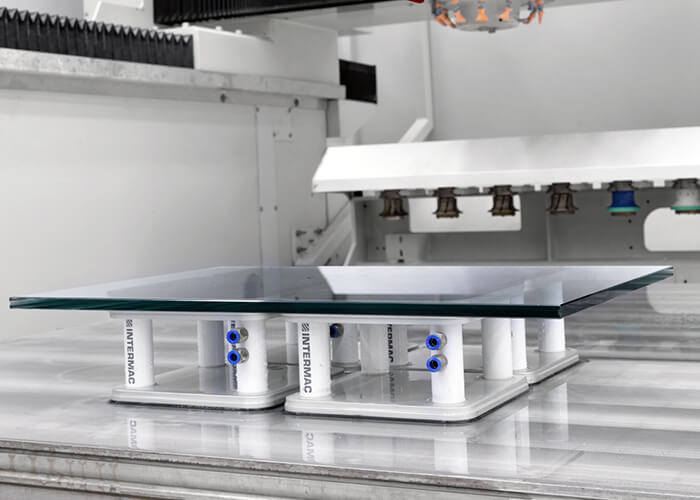
Laminated glass offers superior safety, soundproofing, and UV protection, while tempered glass excels in impact strength, thermal resistance, and affordability. If your project involves overhead glazing, security, or noise control, laminated is likely the better fit. For standard facades, partitions, or areas needing strong but cost-effective safety glass, tempered may be ideal. This guide breaks […]
The Complete Guide to Laminated Glass for B2B Buyers
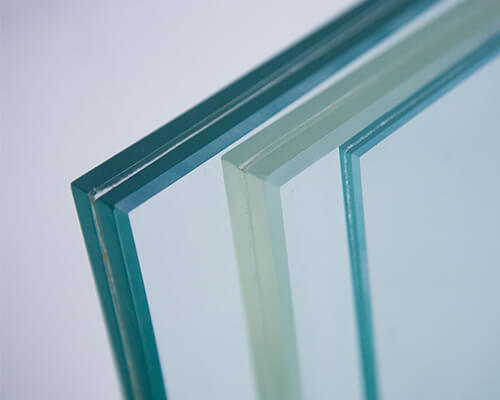
Laminated glass is a type of safety glass made by bonding two or more sheets of glass with a plastic interlayer. It stays intact when broken, offers protection from impact, UV, and noise, and is widely used in architecture, transportation, and security glazing. Introduction In modern construction, glass plays a more demanding role than ever. […]
Anti-Glare vs Anti-Reflective Glass: How to Choose?

If you want to reduce glare in bright environments and don’t mind a slightly softened view, go with anti-glare glass. But if you need crystal-clear visibility and want to eliminate reflections entirely—especially for displays, showcases, or high-end architecture—anti-reflective glass is the better choice. Why This Choice Matters Glass is everywhere in modern buildings—storefronts, lobby walls, […]
Clear Float Glass vs. Low-Iron Glass: Which One Is Better for Your Project?
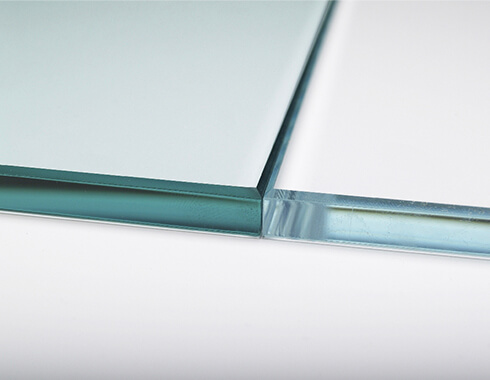
Clear float glass contains more iron, giving it a green tint and slightly lower light transmission. Low-iron glass has reduced iron content, offering higher clarity, better color neutrality, and greater visible light transmission — but at a higher cost. These two types of glass may look similar at first, but their differences show up fast—especially […]
Where Is Anti-Reflective Glass Used? (Applications & Benefits)
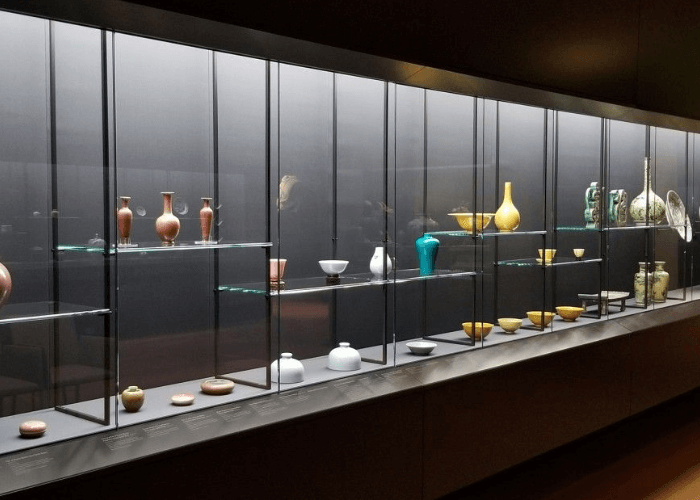
Quick Answer Anti-reflective glass is used in places where clear visibility really matters — like electronic displays, building windows, solar panels, vehicles, and museum showcases. It allows more light to pass through and reduces unwanted reflections, giving a cleaner, more accurate view of what’s behind the glass. What Is Anti-Reflective Glass? Anti-reflective (AR) glass is […]