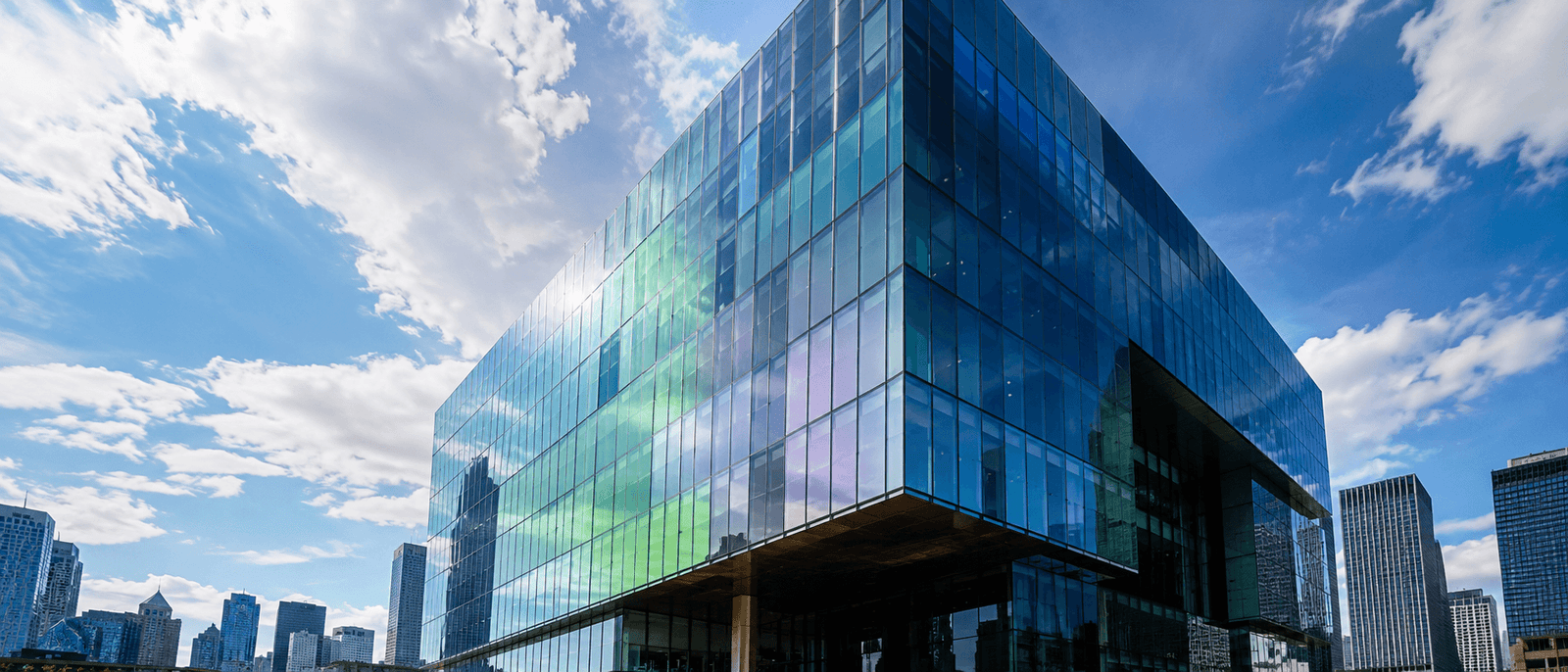
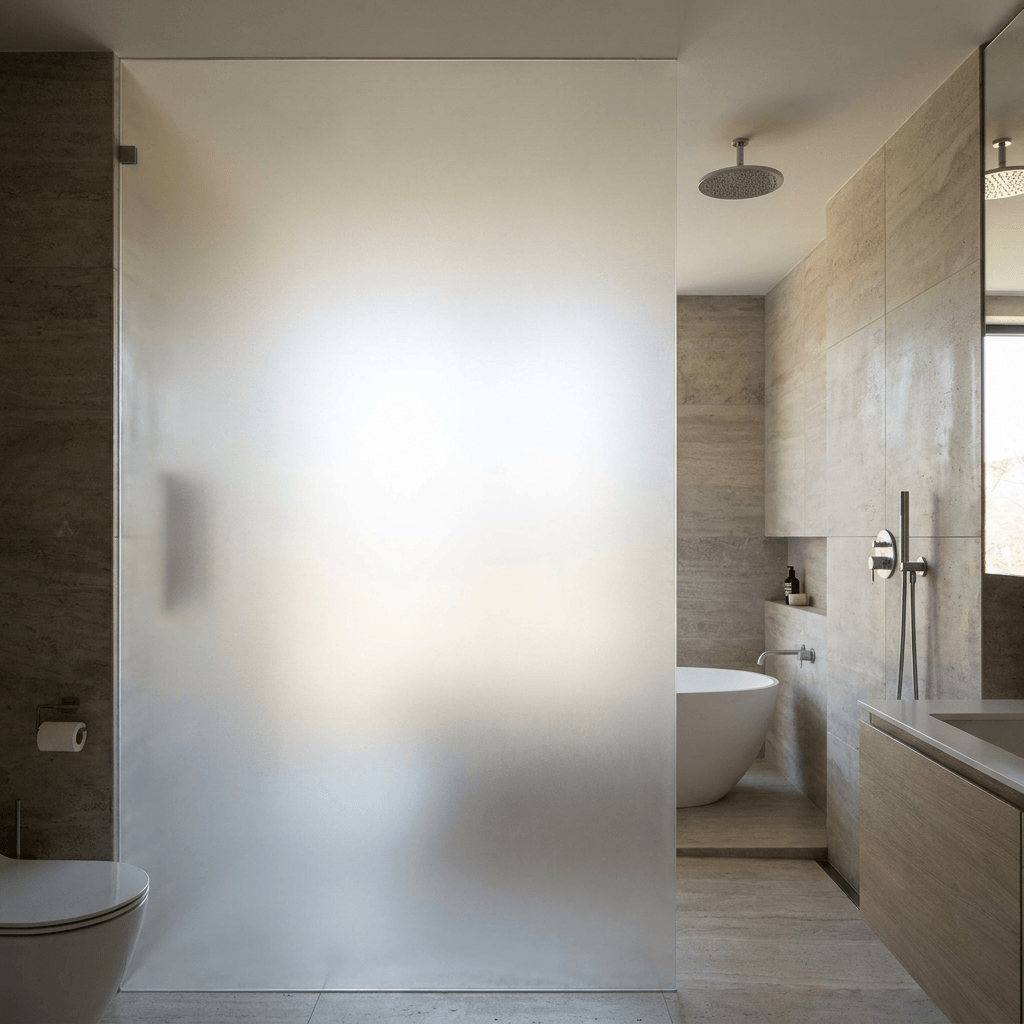
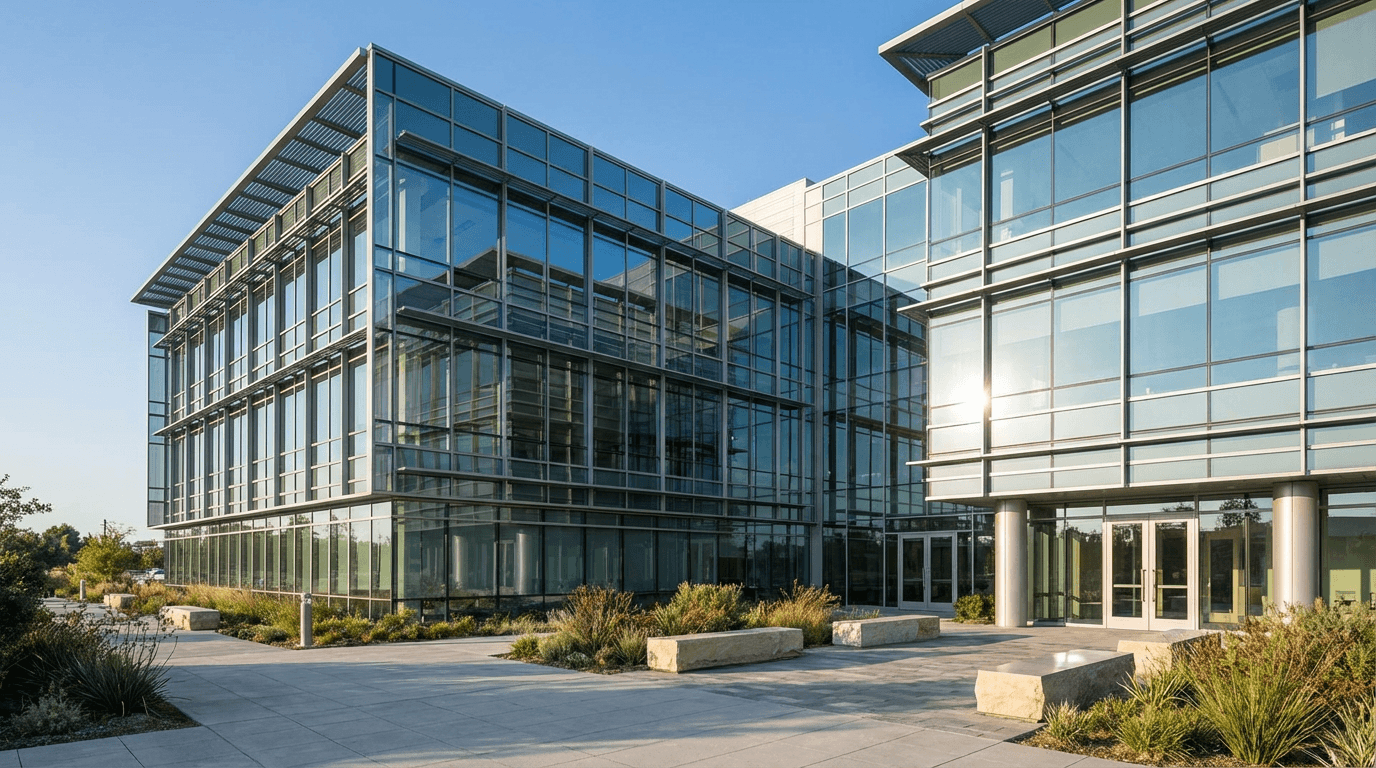
Soft coat Low-E glass is the better choice for energy performance and modern building codes in almost every residential and commercial project. Hard coat Low-E wins only when you need single-pane durability, easier fabrication, or a lower upfront cost.
الجواب الصحيح يعتمد على مناخك، ومتطلبات المواصفات، وكيفية تجميع الزجاج – وليس على أي طلاء يبدو “أحدث” أو “أكثر قسطاً”.
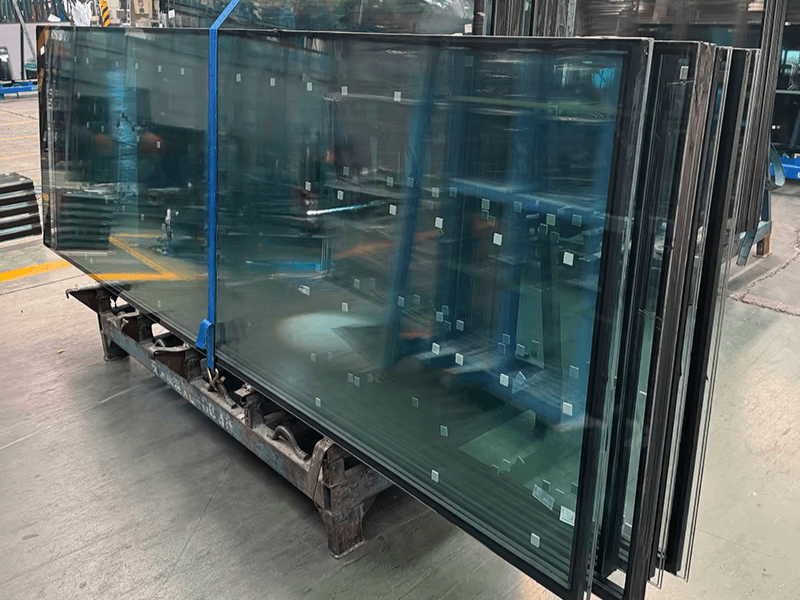
ها هو التحليل الكامل: كيف يُصنَّع كل طلاء فعلياً، وما الذي يفعله بفواتير التدفئة والتبريد، وأين يذهب داخل النافذة، وأيهما يجب تحديده.
ما هو زجاج Low-E ولماذا توجد الطلاءات
Low-emissivity (Low-E) glass is ordinary float glass with a microscopically thin metallic coating that reflects infrared heat while letting visible light pass through. The coating is roughly 500 times thinner than a human hair, and it’s what changes how the glass handles heat radiation instead of just passing it through.
As the International Association of Certified Home Inspectors notes, this coating is engineered to manage ultraviolet and infrared light while keeping visible light transmission high — it can cut energy loss through glazing by 30–50%.
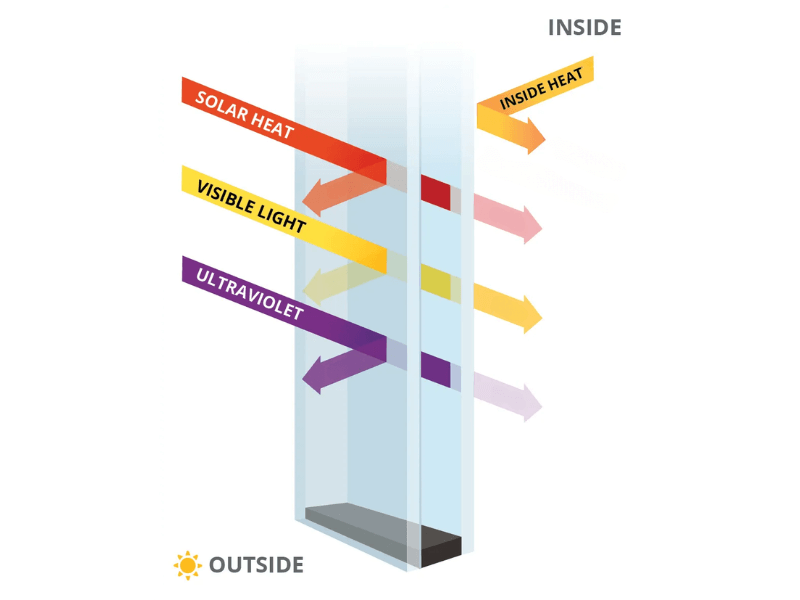
الزجاج الشفاف العادي غير المطلي له انبعاثية تبلغ حوالي 0.84 – مما يعني أنه يمتص ويعيد إشعاع حوالي 84٪ من الحرارة التي تضربه. يمكن لطلاء Low-E عالي الأداء خفض هذا الرقم إلى حوالي 0.02، ولهذا تبدو نوافذ Low-E أقل برودة بشكل ملحوظ في الشتاء وتحافظ على برودة الغرف في الصيف.
هناك طريقتان لتطبيق هذا الطلاء، والطريقة المستخدمة هي بالضبط ما يجعل الزجاج “طلاءً صلباً” أو “طلاءً ناعماً”. كل شيء عن كيفية أداء كل منهما – وأين يمكن استخدامه وأين لا يمكن – يعود إلى هذا الاختلاف في التصنيع.
زجاج Low-E بالطلاء الصلب (البيوليتتيكي): كيف يُصنَّع
عملية التصنيع
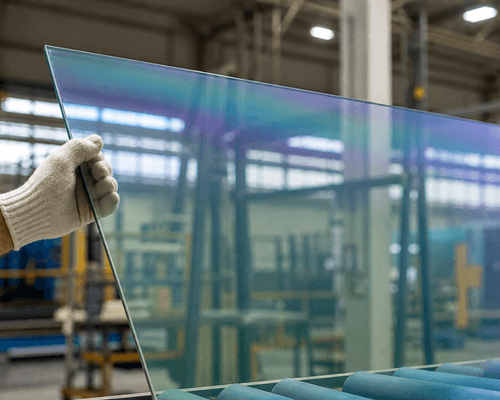
الطلاء الصلب – الذي называется также пиролитическим или on-line Low-E – применяется во время производства флоат-стекла, пока стекло еще горячее. Химический пар, обычно соединение оксида олова, распыляется на верхнюю поверхность охлаждающей стеклянной ленты.
الحرارة تصهر الطلاء مباشرة في سطح الزجاج، مما يخلق رابطة كيميائية حقيقية بدلاً من طبقة سطحية فوقه. لقد عملنا مع الزجاج المطلي بالبيوليتتيكي في أرضية الإنتاج لسنوات، وهذه هي تقنية Low-E الأصلية – وقد كانت قيد الاستخدام التجاري منذ أوائل السبعينيات.
بنية الطلاء ولماذا يبدو بهذه الصورة
لأن الطلاء يُحرق في الزجاج بدلاً من ترسيبه لاحقاً، ينتهي سميكاً وصلباً ومتيناً. معظم الطلاءات البيوليتتيكية مبنية على أكسيد معدني، وأكسيد القصدير هو الخيار الأكثر شيوعاً، والطبقة أسمك بكثير من أي شيء تحصل عليه من عملية الترسيب بالاخرق.
هذه السماكة الإضافية هي أيضاً سبب إمكانية ظهور الطلاء الصلب ضبابياً قليلاً في الضوء المنعكس، خاصة عند النظر إليه بزاوية.
What that means for performance
الطلاء الصلب عادة ما يبلغ انبعاثيته 0.15-0.20 مقارنة بـ 0.84 للزجاج الشفاف. معامل اكتساب الحرارة الشمسية (SHGC) – وهو جزء من الإشعاع الشمسي الذي يمر عبر الزجاج كحرارة، حيث يعني الرقم الأقل دخول حرارة أقل – أعلى من الطلاء الناعم، عادة 0.60-0.70 للوح الواحد.
قيمة U (مقياس لمقدار الحرارة المتدفقة عبر الزجاج؛ الأرقام المنخفضة تعني عزلاً أفضل) أعلى أيضاً من الطلاء الناعم، مما يعني أنه يعزل بشكل أقل فعالية. نقل الضوء المرئي جيد بشكل عام، رغم تلك الضبابية الطفيفة المذكورة أعلاه.
في الممارسة العملية، يجعل هذا الطلاء الصلب طلاءً شمسياً سلبياً بشكل افتراضي. يسمح بدخول المزيد من دفء الشمس إلى المبنى خلال النهار – مفيد في بعض المناخات، ومضر في أخرى، وهو ما سنتناوله في قسم المناخ أدناه.
أماكن تفوق الطلاء الصلب
Hard coat can be used as monolithic single-pane glass or built into an insulated glass unit (IGU — a sealed, multi-pane window assembly, usually two or three panes of glass separated by an air or gas-filled gap).
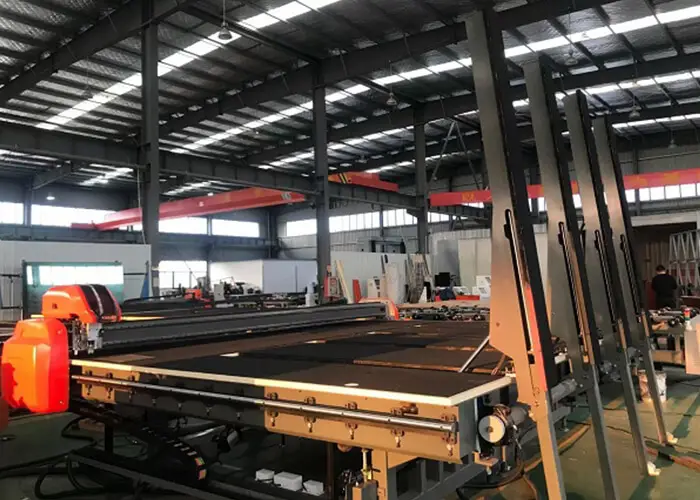
هذه المرونة هي أكبر ميزة له: يصمد أمام التعامل والقص والتقسية والتعرض الطويل لهواء الورشة الرطب دون تدهور، مما يجعله أقل تكلفة للعمل وأسهل في التصنيع لطلبات مخصصة في وقت قصير. كما أنه رخيص التخزين، لأنه لا يوجد خطر تأكسد عند وضعه على الرف.
أماكانقصه
المقايضة هي في أداء الطاقة. قيمة U الأعلى للطلاء الصلب تعني أنه ليس جيداً في منع فقدان الحرارة في المناخات الباردة، ومعامل SHGC الأعلى يعني أنه ليس جيداً في حجب اكتساب الحرارة الصيفية. كما أن له مظهراً بصرياً ضبابياً قليلاً أكثر من الطلاء الناعم ونطاقاً أكثر محدودية من خيارات اللون والأداء.
في الممارسة العملية، نادراً ما نرى وحدة IGU المطلية بالطلاء الصلب تستوفي متطلبات معامل U لـ IECC 2024 من تلقاء نفسها في المناطق المناخية الباردة – والطلاء الناعم هو ما يسد تلك الفجوة، ولهذا يسيطر على أوراق المواصفات الحديثة.
زجاج Low-E بالطلاء الناعم (الترسيب بالاخرق / MSVD): كيف يُصنَّع
عملية التصنيع
الطلاء الناعم – الذي называется также напыленным, MSVD (Magnetron Sputter Vacuum Deposition), или off-line Low-E – применяется после того, как стекло уже нарезано по размеру. Охлажденные стеклянные панели поступают в вакуумную камеру, где металлические мишени (чаще всего серебро) бомбардируются ионами.
تترسب ذرات الفضة المقذوفة على سطح الزجاج في طبقات متعددة فائقة الرقة، عادةً بالتبادل مع طبقات أكسيد معدني مضادة للانعكاس. الطلاءات الناعمة تُرش بالترسيب بالاخرق في الفراغ وتحقق أداءً أعلى من الطلاءات الصلبة، رغم أنها تتأكسد وتتلف بسهولة أكبر، ولهذا تحتاج إلى الحماية داخل وحدة مغلقة.
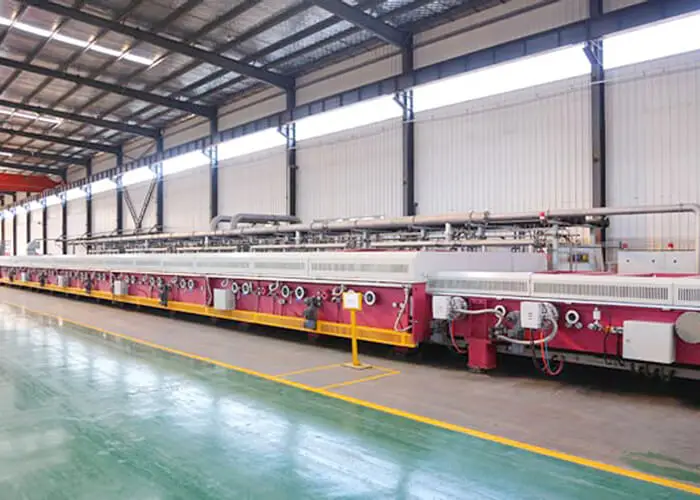
The technology became commercially viable in the 1980s and is now the dominant Low-E process for high-performance windows.
Single, double, and triple silver
Soft coat Low-E is built in layers, and the number of silver layers is what controls performance.
A single-silver coating gives you good visible light transmission (VLT — the percentage of visible light that passes through the glass) with moderate solar control, and it’s the most common residential option. Double-silver steps up solar control at a slight cost to VLT, and you’ll see it most often in mid-tier commercial work.
Triple-silver is the premium tier — very high VLT paired with very low SHGC — and it’s the standard choice for commercial curtain walls and high-end homes. It’s also the category that has grown the fastest since triple-silver stacks first reached the market in the mid-2000s, as manufacturers found ways to push VLT and SHGC further apart without sacrificing clarity.
What that means for performance
Soft coat runs 0.02–0.10 emissivity — a meaningful jump over hard coat’s 0.15–0.20. SHGC is tunable from roughly 0.25 to 0.50 depending on silver count, and U-value comes in significantly lower than hard coat for the same construction.
Because the layers are so much thinner than a pyrolytic coating, visible light transmission is also excellent — clearer and more neutral-looking than hard coat.
Where soft coat wins
Soft coat delivers the best U-factor and solar control you can get for a given IGU construction, and it’s what actually meets 2024 IECC and ASHRAE 90.1 prescriptive U-factors in most climate zones.
It also comes in more SKUs than hard coat — solar-control variants for hot climates, high-gain variants for cold ones — so you can tune the spec to the project instead of settling for one-size-fits-all performance.
Where it needs careful handling
The catch is fragility. Soft coat must be sealed inside an IGU or laminated glass lite before it’s exposed to open air, and it’s sensitive to humidity, oils, salts, and mechanical abrasion.
Shelf life typically runs 3–6 months between coating and assembly before the silver begins to oxidize, which means you can’t just stockpile it the way you can hard coat — a limitation we build into our own production scheduling. It’s also more expensive, and in most cases it can’t be tempered after coating — so tempering has to happen before the sputtering step, not after.
Hard Coat vs. Soft Coat: Side-by-Side Spec Comparison
This is the only table in this article — everything else is written out in plain prose so you don’t have to keep scrolling back and forth to compare it.
| Property | Hard Coat (Pyrolytic) | Soft Coat (Sputtered) |
| Also called | Pyrolytic, on-line | Sputtered, MSVD, off-line |
| When applied | On the float line, glass hot | Off-line, glass cold, in vacuum |
| Typical coating | Tin oxide | Silver + metal-oxide stack (1–3 silver layers) |
| Coating thickness | Thick, hard | Ultra-thin, multiple layers |
| Emissivity | ~0.15–0.20 | ~0.02–0.10 |
| SHGC (single lite) | 0.60–0.70 | 0.25–0.50 (tunable) |
| U-value (typical IGU) | ~0.40–0.50 | ~0.24–0.30 with argon |
| Visible light transmission | High, but slightly hazy | High and clear |
| UV blockage | Moderate | Up to 95% (triple silver) |
| Durability | Excellent — survives open-air exposure | Fragile — must be sealed into an IGU quickly |
To put real numbers on that table: a typical NFRC-rated triple-silver soft coat on clear glass lands around SHGC 0.27, VLT 64–65%, and a U-value of 0.24 with argon fill, while blocking roughly 95% of UV — figures that are consistent across the leading triple-silver products on the market today.
That combination puts the light-to-solar-gain (LSG) ratio — the ratio of visible light let in to solar heat let in — around 2.4, well above the 1.25 threshold that defines “spectrally selective” glazing.
Where Each Coating Goes in an IGU (Surface #2 vs. #3)
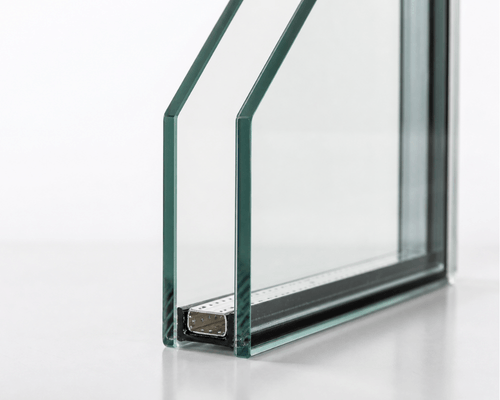
A double-pane IGU has four numbered surfaces: Surface #1 faces outside, and Surface #4 faces the room. The coating almost always goes on Surface #2 (the interior face of the outer lite) or Surface #3 (the interior face of the inner lite), and which one you pick has a real effect on how the glass performs.
Surface #2: solar control in warm climates
Surface #2 is the right spot for solar-control (low-SHGC) soft coat in warm climates. The coating sees the sun first, so it reflects the most heat before it ever gets deep into the assembly.
Surface #3: passive solar in cold climates
Surface #3 is the right call for passive-solar, high-gain coatings in cold climates — you want winter sun to pass through the outer lite, hit the coating, and bounce back into the room as long-wave radiant heat instead of escaping.
Surface #4: added protection on the room side
Surface #4 is where you’d put toughened or hard coat glass if you need additional UV blocking on the room-facing side.
Putting a soft coat on Surface #1 or #4 will effectively kill it, since the coating isn’t designed to face open weather. Industry references on insulating glass confirm this is a common point of confusion on projects that mix coating types across multiple lites — get the surface number wrong and the coating you paid for isn’t doing the job you specced it for.
Choosing Low-E by Climate Type
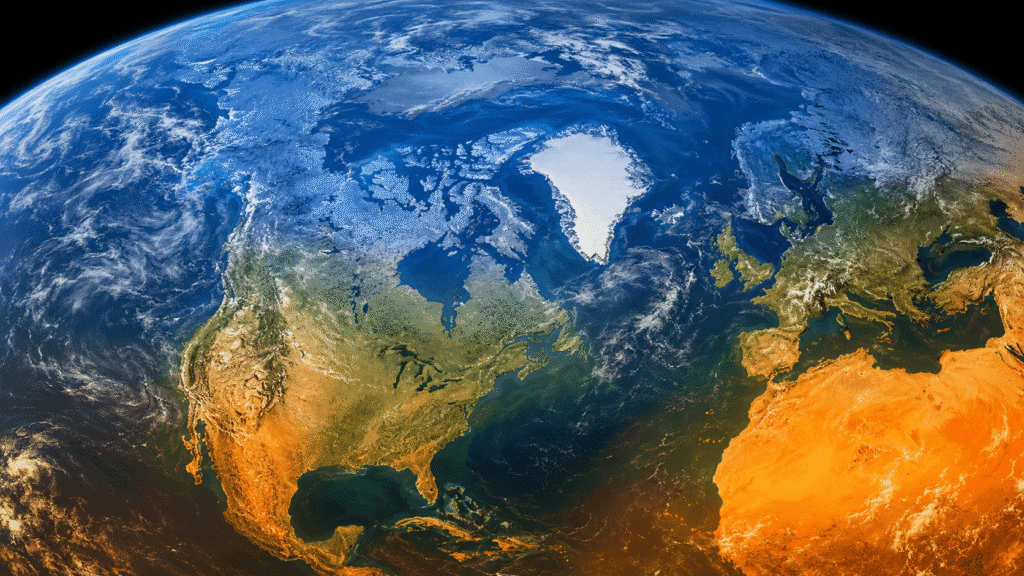
Hexad ships to buyers across 40+ countries, and the honest answer is that “which Low-E” depends far more on climate than on which country you’re in. The five climate categories below cover most of the world’s building markets, so find the one that matches your project rather than a specific code zone.
Hot and humid climates
Southeast Asia, the Gulf Coast and Southern U.S., coastal West Africa, Northern Australia, and similar tropical or subtropical regions all deal with year-round high heat plus high humidity. Specify a solar-control soft coat with a low SHGC, ideally 0.25 or under, on Surface #2. Hard coat will overheat the building and overload the air conditioning, and in these climates cooling load — not heating — is almost always the dominant cost.
Hot and dry climates
The Middle East, North Africa, Central Australia, and the desert Southwest of the U.S. and Mexico share intense direct solar radiation with much lower humidity. The SHGC target is similar to hot-humid climates — 0.25 or under on Surface #2 — but glare control and high visible light transmission matter more here, since these projects often have large unshaded glazing facing intense sun for most of the day.
Temperate and mixed climates
Mediterranean Europe, coastal East Asia, much of China’s central and eastern provinces, and the Mid-Atlantic and Southeastern U.S. all see a real mix of heating and cooling seasons. A double-silver soft coat with SHGC around 0.30–0.40 gives the best year-round balance, and this is the most common specification globally for standard residential and light commercial work.
Cold and continental climates
Northern and Central Europe, Northern China, much of Canada, and the northern U.S. see long, genuinely cold winters where heat retention matters more than blocking solar gain. Step up to a double- or triple-silver soft coat with SHGC around 0.40 on Surface #3, so winter sun is welcomed in rather than reflected away. A quality triple-silver product paired with argon fill will comfortably clear most modern cold-climate energy codes on U-factor.
Severe cold and subarctic climates
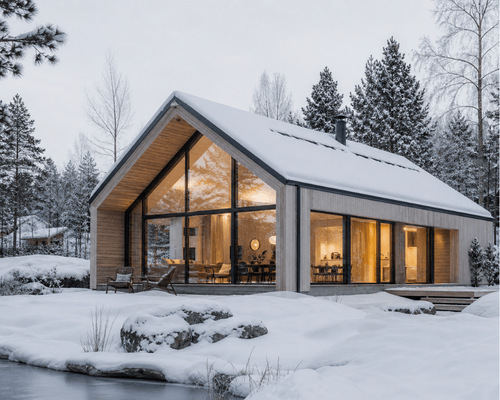
السنكندنافية وسيبيريا وشمال كندا وألاسكا البعيدة والمناطق شبه القطبية المماثلة تدفع أبعد ما يمكن في العزل. حدد الطلاء الناعم ثلاثي الفضة على السطح #3، مقرون بتعبئة بالأرجون وفاصل حافة دافئة، وتوقع أن تضيف many projects here سطح Low-E رابع على اللوح الداخلي لدفع معامل U إلى الأسفل أكثر. الزجاج الثلاثي مع سطحین مطلیین هو ممارسة شائعة في هذه الأسواق بدلاً من كونه استثناءً.
عبر جميع الفئات الخمس، الطلاء الصلب هو الخيار الصحيح فقط في مجموعة ضيقة من الحالات: نوافذ العاصفة، واستبدالات الألواح الفردية في المناخات المعتدلة، والوظائف المدفوعة بالميزانية حيث يكون الحد الأدنى لمواصفات الطاقة المحلية منخفضاً بالفعل.
لماذا تستمر المواصفات في التحول نحو الطلاء الناعم
تتشدد مواصفات الطاقة في معظم أسواق الزجاج الرئيسية، وليس فقط في الولايات المتحدة – منظمو المحتوى من أمريكا الشمالية إلى الاتحاد الأوروبي إلى الصين يشددون متطلبات العزل والتحكم الشمسي الدنيا على مدى العقد الماضي، وعادة ما يكون أداء Low-E هو أسهل رافعة للوفاء بها دون إعادة تصميم غلاف المبنى بالكامل.
The U.S. is a useful concrete example of that trend: the current 2024 IECC tightened prescriptive U-factor requirements considerably from the 2021 edition, and a hard coat IGU rarely meets those numbers on its own in colder zones — soft coat, especially double- or triple-silver with argon fill, is what closes the gap.
مهما كانت الشفرة المحلية أو label الشهادة التي يتطلبها السوق الخاص بك، ينطبق نفس الفيزيائيا: الطلاء الناعم يعطيك مجالاً أوسع للوصول إلى الأهداف المشددة، ودور الطلاء الصلب يتناقص وفقاً لذلك.
كم يدوم زجاج Low-E فعلياً؟
هذه هي الجزء الذي لا يحظى باهتمام كافٍ في معظم المقارنات التي رأيناها: عمر التخزين وخطر التأكسد هما فرق عملي حقيقي بين هذين الطلائين – وليس مجرد ملاحظة في ورقة المواصفات.
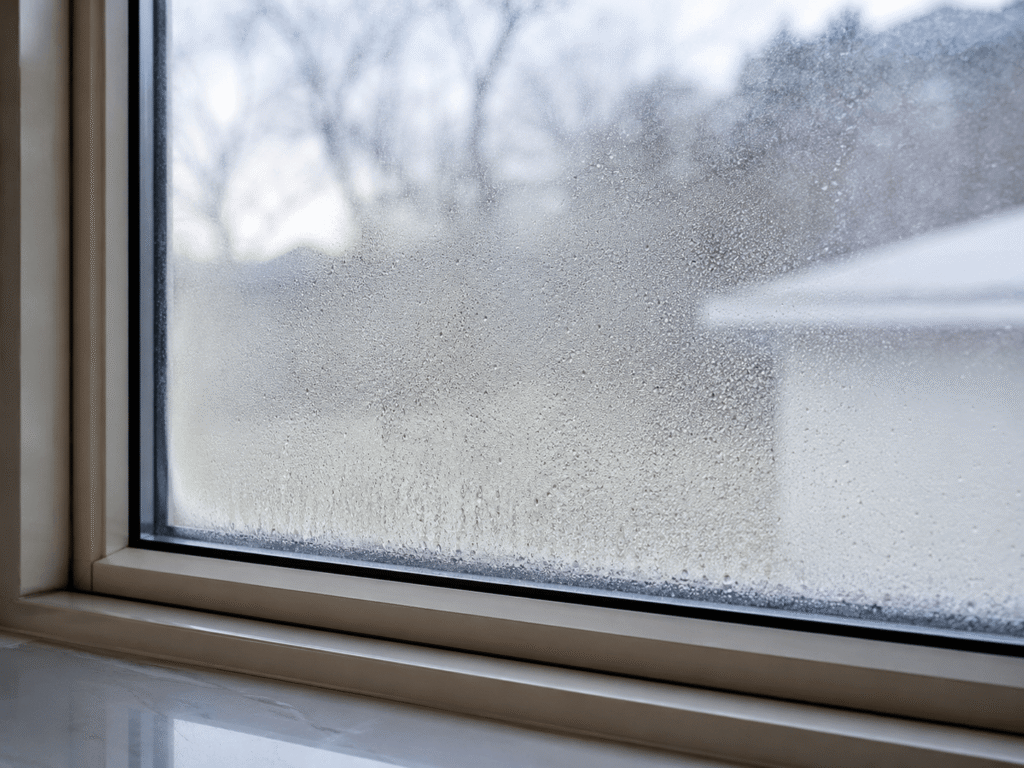
الطلاء الصلب: خامل esencialmente
اقطعه، خزّنه، اتركه في هواء الورشة الرطب لأشهر – لن يتدهور.
ساعة تأكسد الطلاء الناعم
الطلاء الناعم قصة مختلفة. لديه عادةً عمر تخزين 3-6 أشهر بين الطلاء وتجميع IGU، لأن طبقات الفضة تتأكسد عند ملامستها للهواء الرطب ومركبات الكبريت والأملاح وحتى زيوت الجلد.
A 2023 review in Science and Engineering of Composite Materials found that environmental degradation of soft Low-E coatings is driven primarily by moisture, salt exposure, and sulfur-containing pollutants — which is exactly why sealing the coating inside an IGU isn’t optional, it’s the whole point.
ما الذي يتعطل فعلياً في الموقع
في أرضية الإنتاج، أوضاع الفشل في الموقع التي نراها في الغالب هي حواف ضبابية أو حليبية من هجرة الفضة إلى المجفف أو مانع التسرب، وتلون بنفسجي أو بني من هجوم الكبريتيد، وتقشر أو خدش near المحيط من تلف التعامل قبل التجميع.
فقدان الأداء بعد 5-10 سنوات يعزى почти всегда إلى ختم IGU المكسور الذي يسمح للهواء الرطب بالوصول إلى الطلاء – وليس تلف الطلاء نفسه. بمجرد أن يتم إغلاقه بشكل صحيح، يدوم طلاء Low-E عمر IGU، عادة 15-25 سنة.
أخطاء شائعة عند تصميم زجاج Low-E الخاص بك
بعض الأخطاء تظهر مراراً وتكراراً في الطلبات التي تصل إلى مكتبنا، لذا يستحق الأمر التحقق من مواصفتك مقابل هذه القائمة قبل النهائي أي شيء:
- Specifying soft coat on a single-pane replacement. The coating will oxidize with nothing sealing it in — use hard coat, or build it into an IGU instead.
- Forgetting the surface number. “Low-E على #2″ و”Low-E على #3” يؤديان وظائف مختلفة تماماً في نفس المناخ، حتى مع مواصفة متطابقة في غير ذلك.
- Letting soft coat sit in the shop too long. تتبع تاريخ الطلاء ولا تدعه يتراكم لأكثر من بضعة أشهر.
- Mixing hard coat and soft coat in the same IGU. ممكن، لكن حسابات قيمة U تتغير، لذا أعد تشغيل تصنيف NFRC بدلاً من افتراض أن الأرقام لا تزال صالحة.
- الثقة في رقم SHGC على ورقة المواصفات دون التحقق من تركيب الزجاج. إن SHGC بقيمة 0.27 على طلاء ثلاثي الفضة مقترن بزجاج شفاف ليس هو نفس ذلك الطلاء مقترن بزجاج ملون.
- Forgetting argon fill. IGU بالطلاء الناعم بدون أرجون يفقد جزءاً كبيراً من ميزته في معامل U.
الأسئلة الشائعة: الطلاء الصلب مقابل الطلاء الناعم Low-E
هل يمكنني استخدام الطلاء الناعم Low-E في نوافذ الألواح الفردية؟
لا. سيتأكسد الطلاء بدون حماية. يحتاج الطلاء الناعم إلى أن يُغلق داخل IGU أو واحد صفائحي بسرعة بعد الإنتاج.
لماذا يبدو بعض زجاج Low-E أخضراً؟
ذلك لأن طلاء أكسيد المعدن يعكس كمية صغيرة من الضوء الأخضر. إنها أكثر وضوحاً على الطلاء الصلب، وعلى IGUs ثلاثية اللوح حيث تتكدس المزيد من الأسطح المطلية معاً.
ما أفضل زجاج Low-E للمناخات الحارة؟
طلاء ناعم للتحكم الشمسي مع SHGC منخفض على السطح #2، ويفضل ثلاثي الفضة، مقرون بتعبئة بالأرجون.
ما أفضل زجاج Low-E للمناخات الباردة؟
طلاء ناعم عالي الاكتساب مع SHGC حوالي 0.40-0.50 على السطح #3، مع تعبئة بالأرجون وفاصل حافة دافئة. ثلاثي الفضة مثالي في المناطق 6-8.
هل يستحق زجاج Low-E التكلفة الإضافية؟
بشكل عام، نعم. تقدر وزارة الطاقة أن نوافذ Low-E توفر 12-33٪ من تكاليف التدفئة والتبريد مقارنة بالزجاج الشفاف، وهو ما يسترد عادةً الترقية في 5-10 سنوات.
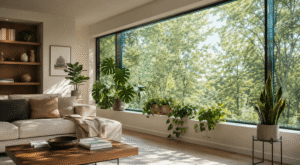
هل يمكن للنباتات أن تنمو خلف زجاج Low-E؟
نعم. يحجب Low-E الأشعة فوق البنفسجية وبعض الضوء المرئي، لكن معظم النباتات لا تزال تحصل على إشعاع كافٍ للبناء الضوئي خلاله. النباتات المحبة للضوء المنخفض مثل pothos أو نبات الثعبان تعمل بشكل جيد؛ النباتات المحبة للضوء قد تحتاج إلى إضاءة تكميلية.
الخلاصة
بالنسبة لمعظم مشاريع البناء الجديد والاستبدال في الولايات المتحدة، الطلاء الناعم Low-E هو الخيار الصحيح – يستوفي مواصفات الطاقة الحديثة، ويوفر معامل U وSHGC أفضل، ويمنحك مجالاً أوسع لضبط المواصفة لمناخك.
اختر الطلاء الصلب بدلاً من ذلك عند بناء تركيب نافذة ذات لوح واحد أو نافذة عاصفة، عندما will يجلس الزجاج غير مركب لأشهر قبل التجميع، عندما تكون الميزانية هي القيد المهيمن في مناخ معتدل، أو عندما تحتاج إلى تقسية ما بعد الطلاء أو تصنيع في الموقع.
خارج تلك الحالات، كان الطلاء الناعم رهاناً أفضل منذ الثمانينيات، ودورة المواصفات 2024 وسعت تلك الفجوة فقط.