Laminated glass is a type of safety glass made by bonding two or more sheets of glass with a plastic interlayer. It stays intact when broken, offers protection from impact, UV, and noise, and is widely used in architecture, transportation, and security glazing.
Introduction
In modern construction, glass plays a more demanding role than ever. It has to look sharp, meet strict safety codes, perform under pressure, and protect the people behind it. That’s a lot to ask from something transparent.
That’s where laminated glass comes in. And if you’re in charge of sourcing for a project — whether you’re a wholesaler, importer, or builder — understanding laminated glass can help you avoid costly rework, non-compliance, or even failed installations.
This article will guide you through what laminated glass is, how it’s made, why it performs so well, and how to apply that knowledge to real B2B sourcing decisions.
What Is Laminated Glass and How Does It Work?
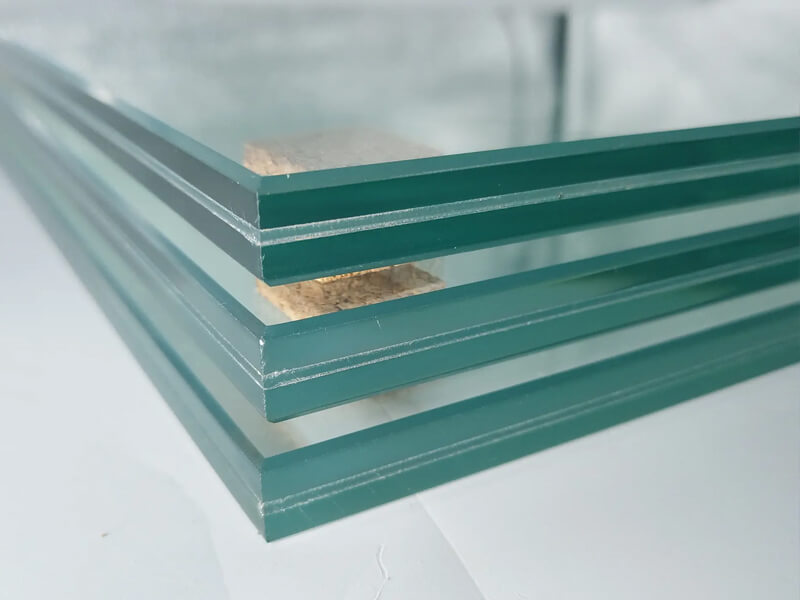
Laminated glass is a safety glass made by bonding two or more sheets of glass together with a plastic interlayer, so that even if it breaks, it stays intact.
At first glance, it looks like ordinary glass. But peel back the layers, and you’ll find its core strength: a flexible but tough plastic layer — usually PVB, EVA, or SGP — that holds the structure together when stressed.
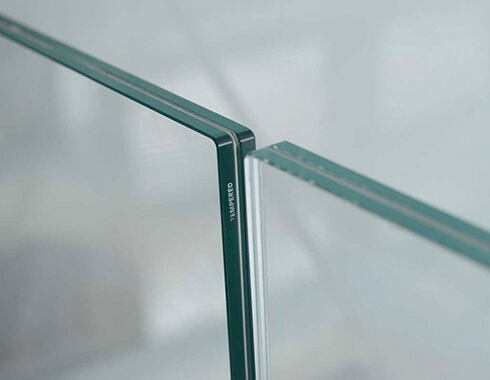
This interlayer is why laminated glass doesn’t shatter like float glass or burst into pellets like tempered glass. Instead, it cracks in a spiderweb pattern, but stays in place — protecting people, property, and your reputation.
If you’re specifying materials for safety railings, glass floors, or exterior facades, this containment behavior isn’t just helpful — it could be life-saving. And increasingly, it’s mandatory.
How Is Laminated Glass Made?
Two or more sheets of glass are layered with a plastic film, then bonded together under heat and pressure until they become one unified panel.
Imagine a sandwich. You take two slices of glass, insert a “filling” of PVB or EVA film, remove any air between the layers, and press them together in an autoclave — a sealed oven that uses high heat and pressure.
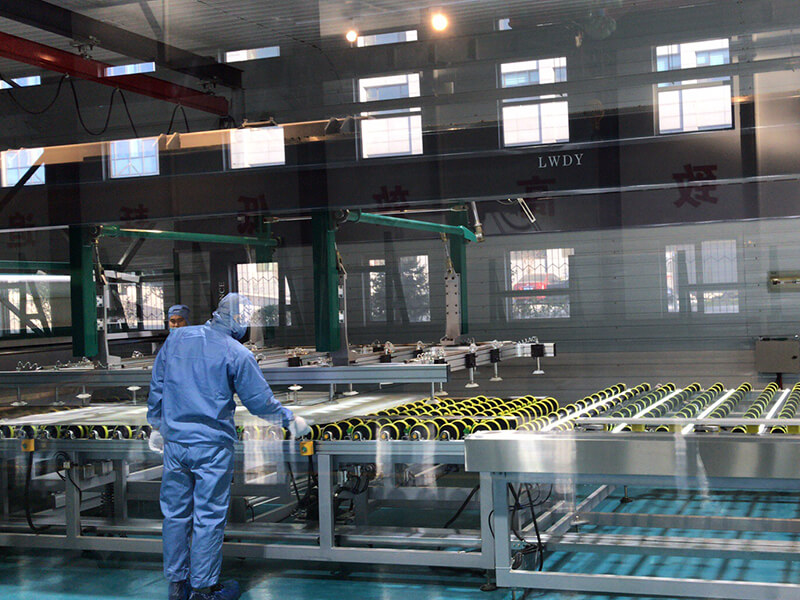
The result is a strong, optically clear sheet that behaves differently from either glass or plastic on its own.
Why does this matter? Because the way glass is bonded determines how it performs under impact, stress, or aging. A poor bond can lead to delamination (those foggy bubbles you sometimes see), especially in humid environments. That’s why top suppliers test their glass to EN 14449, ASTM C1172, or GB 15763.3 standards.
Buyer Insight: For international buyers, always check whether the supplier uses vacuum ovens or autoclaves, and what interlayer they offer. SGP has higher performance than PVB, but also a higher price. Match the material to your project’s risk level and budget.
What Are the Benefits of Laminated Glass?
Laminated glass isn’t just about passing safety inspections — it actively makes your project more durable, comfortable, and secure.
Each layer in laminated glass serves a purpose. And for buyers, understanding those purposes means you can make smarter decisions on where to use it — and how to justify the added cost to your clients.
Let’s walk through its core advantages.
Safety After Breakage
It cracks but doesn’t shatter — keeping people safe and openings sealed.
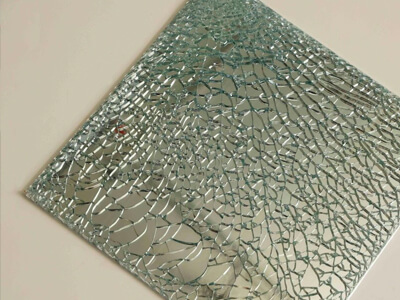
When traditional glass breaks, it turns into dangerous fragments. Tempered glass is safer — it breaks into blunt pellets — but it still fails completely. With laminated glass, the interlayer holds the pieces together. No hole. No falling glass. Just a cracked surface that still functions as a barrier.
If you’re working on balcony railings, skylights, glass staircases, or canopies, this feature is essential. Many codes even require laminated glass in overhead or floor-level glazing because of this safe-breakage behavior.
And here’s the kicker: this safety works silently. Clients may never see it — but it will protect them when it counts. That’s peace of mind for both the builder and the building owner.
Security & Forced-Entry Resistance
Yes — it’s much harder to break through, giving time for alarms to trigger and people to react. Smash-and-grab attempts on float or tempered glass? They’re over in seconds.
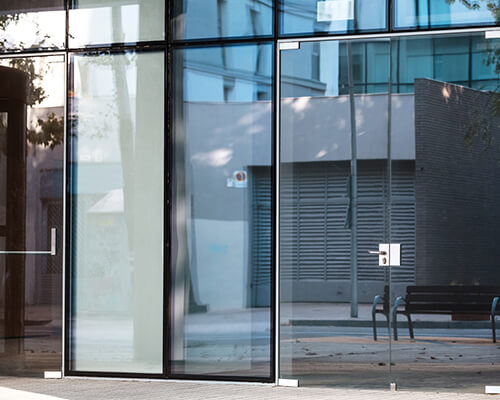
Laminated glass? It puts up a fight. A thief can’t just break one layer — they have to crack the glass, then cut or punch through the sticky interlayer, and possibly break a second pane. That delay can be the difference between a successful theft and a foiled one.
In banks, schools, retail storefronts, and even residential buildings, this resistance makes laminated glass an affordable layer of passive security.
For critical infrastructure — airports, embassies, data centers — laminated glass can be upgraded with multiple layers and SGP interlayers to resist bullets, blasts, or forced entry.
Note for Buyers: If you’re handling high-spec projects, ask your supplier about multi-layer laminated units or SGP glass combinations for higher penetration resistance. These are often used in bullet-resistant glazing systems.
Noise Reduction
The interlayer dampens sound vibrations, making interiors noticeably quieter.
Most buyers are surprised by how big a difference laminated glass makes in terms of acoustic comfort. That soft plastic layer in the middle? It doesn’t just hold broken shards — it also absorbs mid- and high-frequency sound waves.
If you’re sourcing for projects near busy roads, train stations, airports, or schools, using laminated glass instead of monolithic or even standard double-glazing can cut perceived noise by several decibels.
And if sound insulation is a premium concern — in luxury residences, healthcare, or hospitality — you can specify acoustic-grade PVB interlayers, which are engineered to reduce sound transmission even further.
UV Protection
Yes — it blocks up to 99% of UV radiation, preserving interior furnishings and finishes.
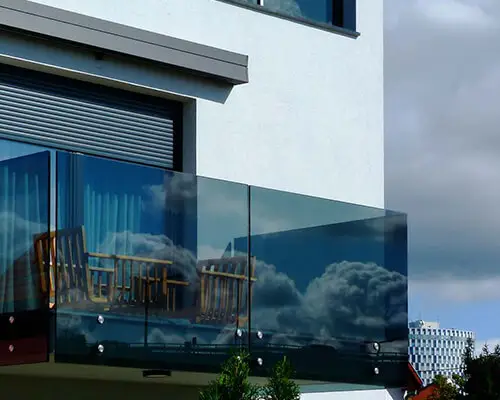
Over time, sunlight fades fabrics, discolors wood, and degrades materials. Most of this damage comes from UV rays — and while ordinary glass blocks some of it, laminated glass does much more.
The interlayer naturally filters out UV without needing additional coatings or tints. That’s why museums, high-end retail stores, and art galleries use laminated glass as a quiet line of defense.
It’s also a value-add for residential and commercial interiors: longer-lasting furniture, healthier indoor environments, and less sun damage on floors and walls.
Where Is Laminated Glass Commonly Used?
Wherever safety, noise control, and visual clarity are important — especially in high-risk, high-traffic, or elevated environments.
Let’s break it down.
Residential: Balconies, Sliding Doors, Skylights & Railings
Yes — especially in balcony enclosures, sliding doors, skylights, and stair railings.
Whether it’s a single-family home or a high-rise apartment, laminated glass is becoming the default choice wherever people interact closely with glass — especially at height or near the floor.
It’s not just about code compliance. Think about families with kids, older residents, or areas prone to storms. Laminated glass offers an extra layer of protection and comfort.
In premium homes, it’s often used as part of insulated glass units (IGUs) — combining thermal insulation with impact resistance for the best of both worlds.
Commercial/Public Spaces: Curtain Walls, Railings, Roof Glazing, Partitions
Because the stakes are higher — and laminated glass lowers the risk.

Commercial spaces demand performance. A broken glass panel on the 20th floor of a curtain wall isn’t just a repair — it’s a safety crisis. Laminated glass ensures that even when cracked, the panel doesn’t fall.
In airports, office towers, malls, hotels, and rail systems, laminated glass is used in:
- Curtain walls
- Escalator railings
- Roof glazing
- Indoor partitions
It protects people below, reduces liability, and creates trust in the space.
Automotive: Windshields Use the Same Safe-Retention Principle
Yes — your car’s windshield is laminated, and for the same reasons.
That spiderweb crack pattern you see when your windshield gets hit by debris? That’s the interlayer at work. It holds the glass together and keeps fragments from flying into the cabin.
This same logic applies to buildings. Laminated glass protects without drawing attention to itself — and often, without anyone knowing it’s there.
Laminated vs. Tempered Glass: Which One Should You Use?
Tempered glass is strong — but laminated glass holds together. In many cases, they’re used together.
Both laminated and tempered glass are classified as safety glass, but they behave very differently when things go wrong. (You can read our full comparison of laminated vs. tempered glass for building projects here.)
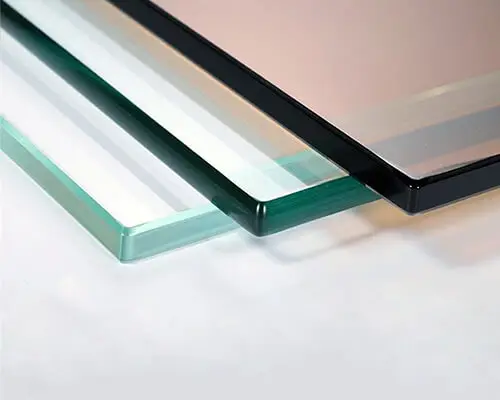
Tempered glass is heat-treated to be four to five times stronger than regular float glass. It resists thermal stress, impact, and bending — which is why it’s often used in oven doors, frameless partitions, and spandrel panels. But when it breaks, it shatters completely into small pebble-like pieces. This reduces the risk of sharp injury, but it also means the panel fails entirely and needs immediate replacement.
Laminated glass, by contrast, is designed not to fall apart when broken. Even if the outer layer cracks, the interlayer keeps everything in place — acting as a shield against debris, weather, and intrusion. It may not be as strong in pure bending force, but it buys time, maintains safety barriers, and reduces follow-up costs.
If you’re managing building envelopes, guardrails, or any glazing system where post-breakage safety and security matter, laminated is the go-to solution.
Still not sure which is right? Here’s a side-by-side breakdown:
| Feature | Laminated Glass | Tempered Glass |
| Breakage Behavior | Cracks and holds in place | Shatters into small pellets |
| Safety After Impact | Maintains barrier | Pane completely fails |
| Noise Reduction | High (interlayer dampens sound) | Low |
| UV Protection | Up to 99% | Minimal unless coated |
| Post-Breakage Security | Excellent | Poor |
| Can Be Cut After Made? | ❌ No | ❌ No |
| Ideal Use Cases | Railings, skylights, doors, facades | Shower doors, spandrels, ovens |
Pro Tip: Many projects now use laminated tempered glass — combining two tempered panes with a PVB or SGP interlayer. This gives you the best of both: strength + safety.
Conclusion
Laminated glass isn’t flashy. It doesn’t scream innovation. But it does its job quietly — protecting people, reducing risk, and performing when other materials fail.
If you’re sourcing from China, managing international projects, or simply looking for peace of mind in your supply chain, laminated glass is more than a product — it’s a decision that speaks volumes about your standards.
Choose wisely. Ask the right questions. And let laminated glass help you build projects that last — and protect.
Frequently Asked Questions (FAQs)
Can laminated glass be cut or drilled after lamination?
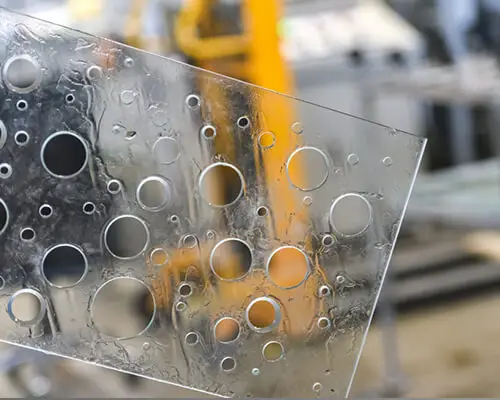
No. Once laminated, the glass becomes a single bonded unit. Any attempt to cut, drill, or edge-finish it afterward will crack the outer layers and damage the interlayer. If your project requires holes, notches, or edge shaping, all fabrication must be done before lamination. For large or custom orders, finalize drawings early to avoid waste or production delays.
Does laminated glass provide thermal insulation?
Not on its own. Laminated glass is not a substitute for insulated glazing, but when used inside an IGU (insulated glass unit) alongside Low-E coatings or inert gas layers, it contributes to overall thermal efficiency. It also adds acoustic, UV, and safety benefits within the sealed unit.
What is the typical lifespan of laminated glass?
Laminated glass can last 20 to 30 years or longer, provided the edges are well protected and installation prevents moisture ingress. In humid or coastal regions, materials like SGP or cross-linked EVA interlayers are preferred over standard PVB for their better resistance to delamination.
Is laminated glass heavier than standard glass?
Yes. A laminated panel includes multiple glass layers and a plastic interlayer, making it approximately 20–50% heavier than a single glass sheet of the same thickness. This should be considered when selecting framing systems, hinges, or hardware—especially in overhead or sliding applications.
Can laminated glass be used outdoors without yellowing or fogging?
Yes, but long-term clarity depends on proper material choice and edge protection. Standard PVB can yellow or fog if exposed to water or UV at unsealed edges. For exterior use—such as balconies, facades, or roof glazing—use SGP or cross-linked EVA, and ensure framing or sealing covers all edges.
Can laminated glass be combined with tempered glass?
Yes. Many high-performance systems use laminated-tempered glass, where each layer is tempered before lamination. This approach combines the impact resistance of tempered glass with the safety and containment of laminated glass. It’s commonly used in glass floors, structural facades, and areas requiring high strength and post-breakage integrity.